
BPC-157 vs TB-500: Repair Peptide Comparison
Ask any peptide-research community about soft-tissue repair and you'll hear the same two names. BPC-157 and TB-500 aren't competitors — they hit different arms of the repair response. Here's what each one actually does.
The 30-second version
- BPC-157 drives angiogenesis (new blood vessel formation) at injury sites.
- TB-500 drives cellular migration (moving cells to the site of injury).
- They're complementary — which is why pre-blended stacks exist.
BPC-157 in detail
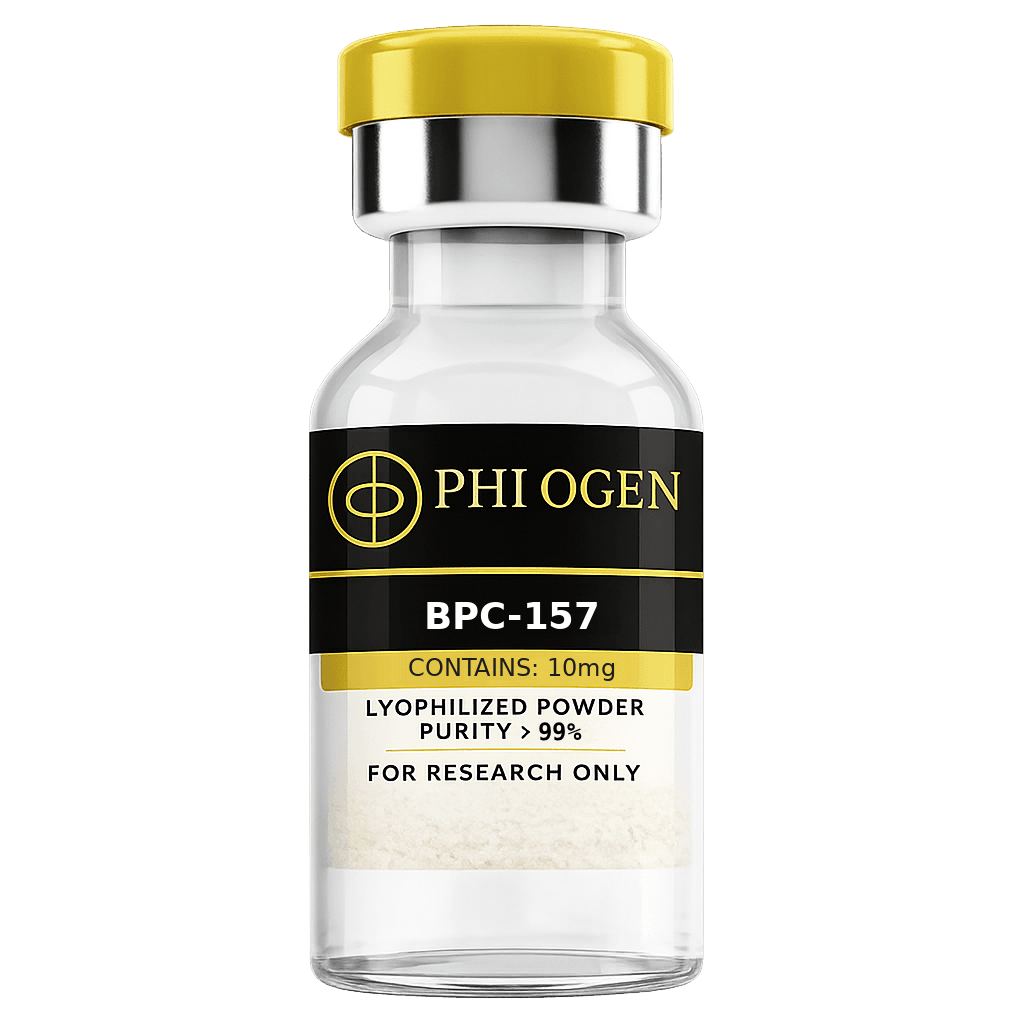
BPC-157 is a 15-amino-acid synthetic peptide derived from a protective protein found in gastric juice. The name stands for Body Protection Compound-157. It has one of the largest peptide-research literatures of any repair compound, largely coming out of the Seiwerth and Sikiric laboratories in Zagreb.
Proposed mechanism
Research describes BPC-157 acting on the VEGFR2 pathway — promoting angiogenesis at the site of injury. It also modulates the nitric oxide (NO) system and has been shown to upregulate growth-hormone receptor expression in injured tissue. The angiogenic effect is the central mechanism most of the repair literature points to.
What models has it been studied in?
Tendon, ligament, muscle, corneal, bone, and gut-lining repair. The breadth of tissue coverage is part of why the peptide is so widely used in research.
Format
Available as 10 mg injectable vials and as 500 mcg capsules (60-count). The capsule format is unusual for a peptide — BPC-157 is remarkably stable at gastric pH, which is why oral bioavailability research exists in the first place.
TB-500 in detail
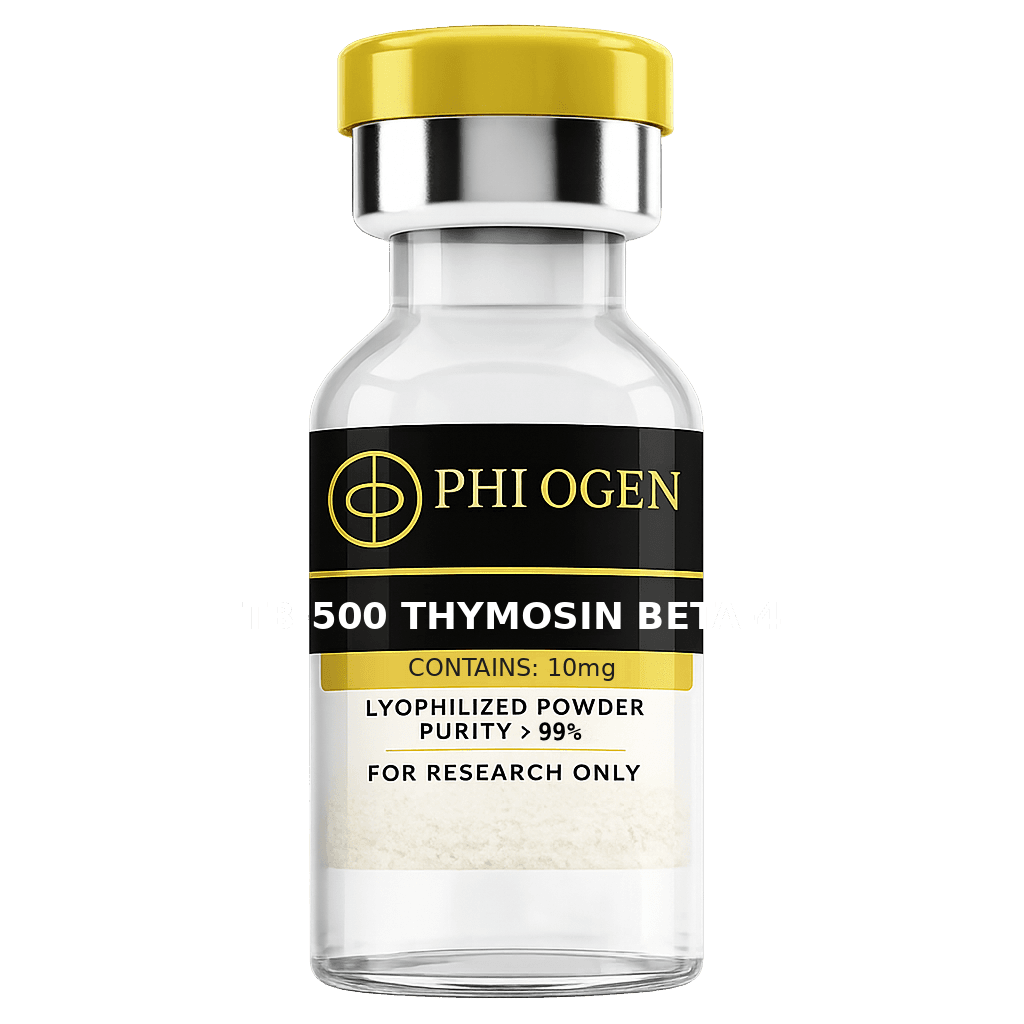
TB-500 is a synthetic fragment of Thymosin Beta-4, a 43-amino-acid protein found at high concentrations in platelets and wound fluid. The fragment contains the actin-binding sequence that drives Tβ4's biological activity.
Proposed mechanism
TB-500 binds and sequesters G-actin monomers, regulating the dynamic actin pool available for cytoskeletal remodeling. This is the proposed basis for its effects on cell migration, wound closure, and progenitor-cell recruitment to injury sites.
What models has it been studied in?
Dermal wound healing, cardiac remodeling after ischemia, corneal repair, and neurological recovery. Cardiac research is particularly notable — Tβ4 is one of the few peptides with published cardiac-tissue repair data.
Format
Standard is the 10 mg injectable vial.
Head-to-head: which one for which goal?
Acute soft-tissue injury
Most research protocols favor combined use — BPC-157 to drive angiogenesis, TB-500 to drive cellular migration. Different stages of the repair cascade.
Chronic repair / overuse research
BPC-157 has the broader literature here, particularly in tendon and ligament models.
Cardiovascular research
TB-500 has the clearer published profile because Tβ4's cardiac-tissue effects are relatively well characterized.
Gut and digestive research
BPC-157. Originated from gastric-juice research and remains the dominant peptide in GI repair models.
Why the combined blend?
If the two peptides target different arms of repair, why not use both? That's the reasoning behind the pre-blended vials:
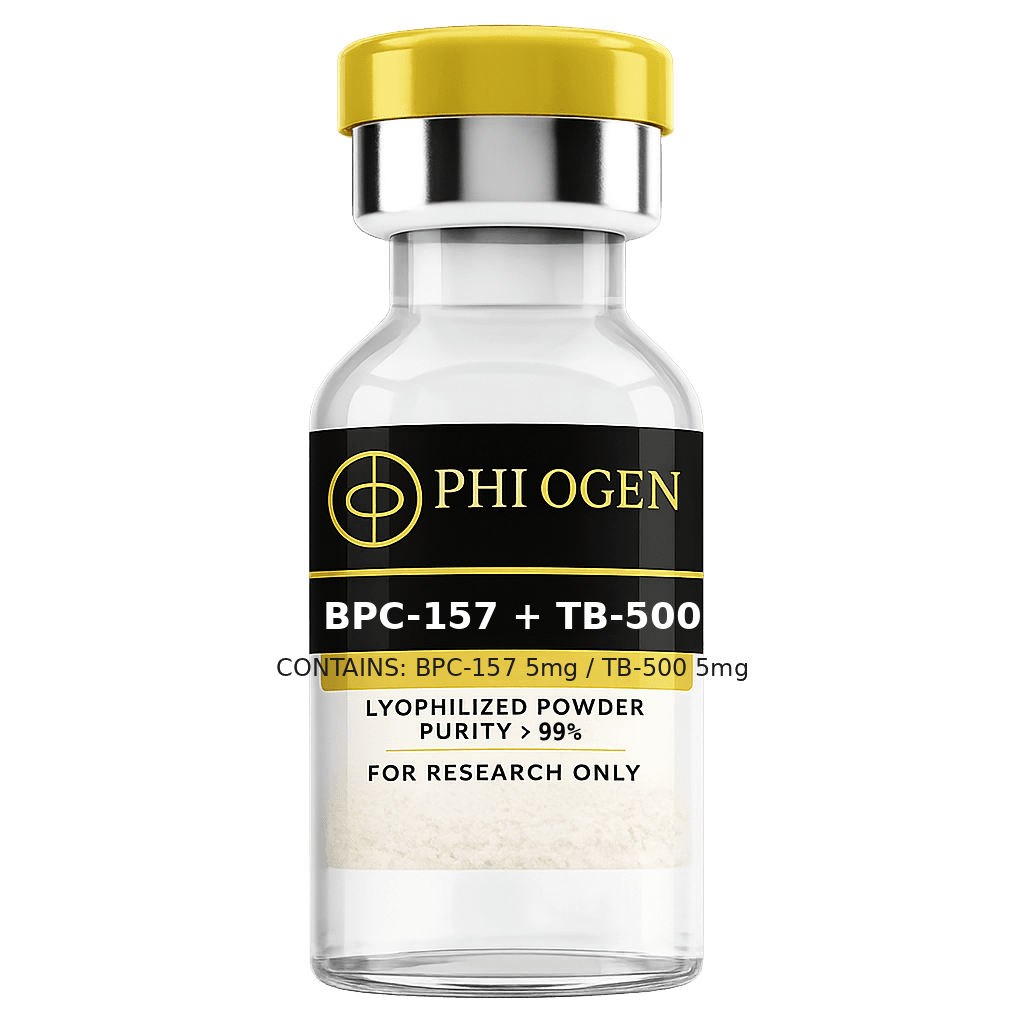
- BPC-157 + TB-500 10 mg — 5 mg each component.
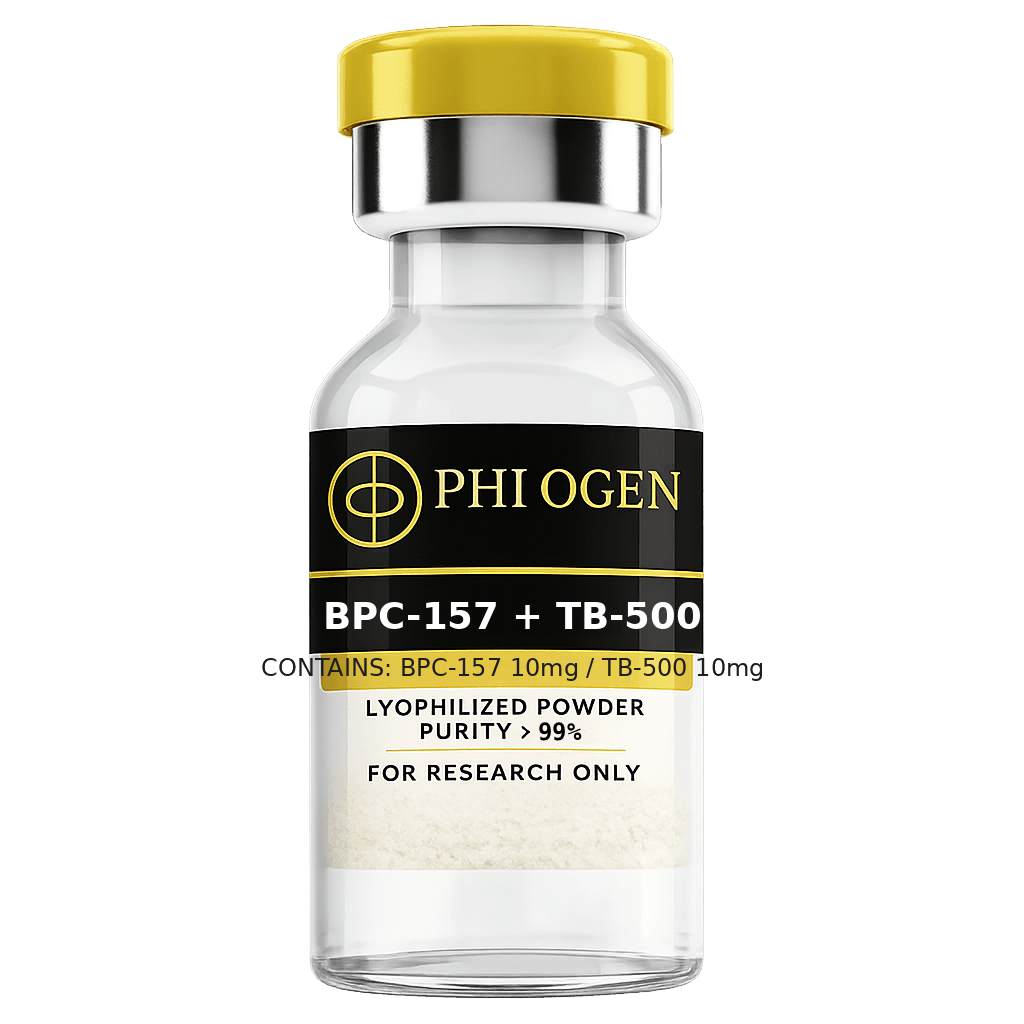
- BPC-157 + TB-500 20 mg — 10 mg each component.
Pre-blending saves one reconstitution step and gives a fixed 1:1 ratio. If your research design calls for a non-1:1 ratio, separate vials give you the flexibility.
Reconstitution and handling
Both peptides ship lyophilized. A 10 mg vial reconstituted in 2 mL bacteriostatic water gives 5 mg/mL working stock. Swirl gently to dissolve — don't shake. Refrigerate the reconstituted solution; use within ~28 days. Aliquot before freezing if the protocol extends beyond that window.
Research-use notice
Both compounds are sold through Tidemaxxing for laboratory research only. Nothing on this page is medical advice.
Featured compounds
Related reading
Every compound referenced on this page is indexed in the catalogue with per-batch COAs and direct purchase links.
Open the catalogue →