

Apollo Peptide Catalog
24 lab-tested compounds — GHK-Cu, BPC-157, Tirzepatide, Retatrutide and more from Apollo Peptide Sciences.


Peptide Catalog
34+ lab-tested compounds with Certificate of Analysis. For laboratory and educational use only.
This catalog brings together 34+ research peptides spanning healing & recovery, growth hormone optimization, metabolic health, anti-aging, cognitive support, immune modulation, and melanocortin biology. Every compound is sourced from Apollo Peptide Sciences — an independent laboratory supplier that provides third-party Certificate of Analysis (COA) documentation confirming peptide identity and 99%+ purity on every batch. All products are supplied as lyophilized powder and shipped with full traceability.
The catalog covers both classic research peptides — BPC-157, TB-500, GHK-Cu, CJC-1295, Ipamorelin — and more advanced compounds including the latest GLP-1/GIP receptor agonists (Tirzepatide, Retatrutide, Semaglutide), mitochondrial peptides (MOTS-C, SS-31), Khavinson bioregulators (Epitalon, Bronchogen, Cardiogen, and more), and nootropic peptides (N-Acetyl Semax Amidate, Selank, NA-Selank Amidate). The range spans foundational healing compounds through to cutting-edge longevity and metabolic research tools.
All peptides listed on this page are intended strictly for laboratory and educational use. They are not FDA-approved for human therapeutic use and are not intended for human consumption, clinical application, or use in animals. Each product page includes mechanisms of action, published study references, and links to the COA documentation. Use the category sections below to navigate to the class most relevant to your research, or browse all compounds across all seven categories.
supplies
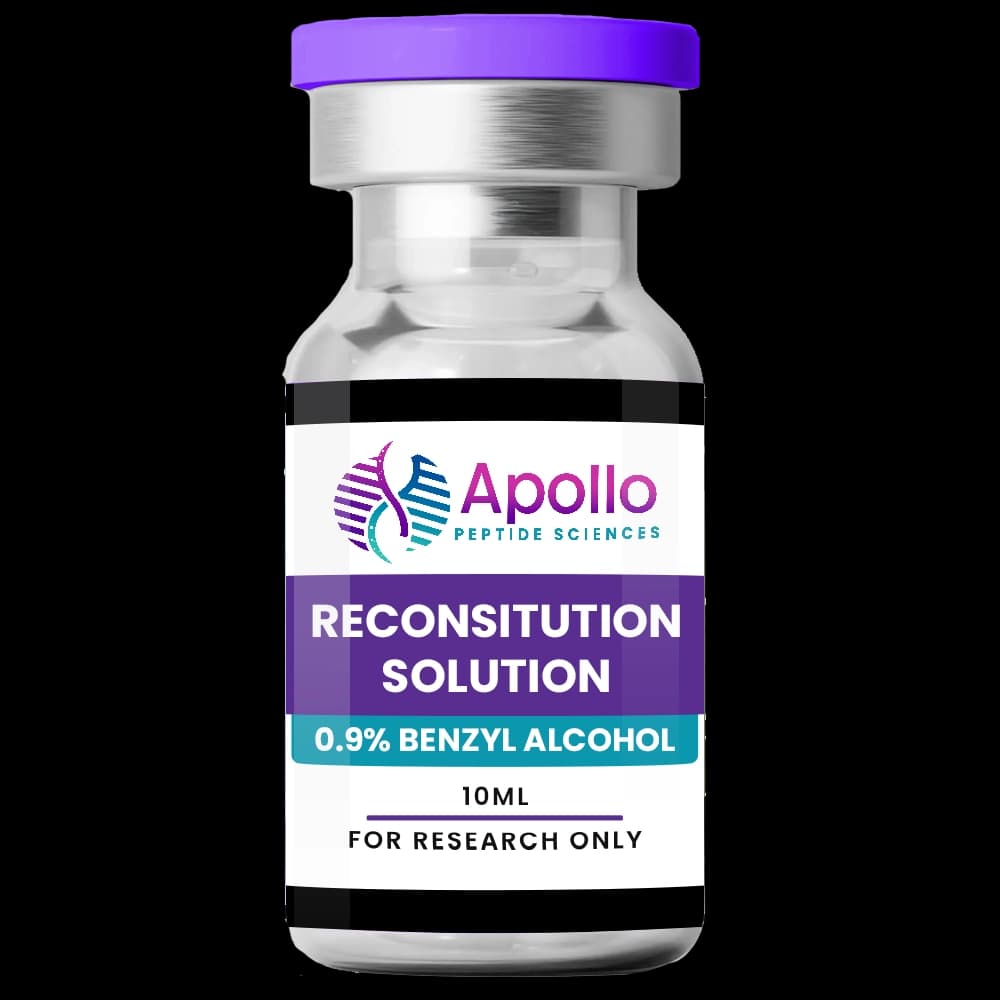
Bacteriostatic Water Reconstitution Solution 10ml
10mL bacteriostatic water for peptide reconstitution.
- 0.9% benzyl alcohol preservative
- Multi-use reconstitution solvent
- Standard for lyophilized peptides
healing-recovery
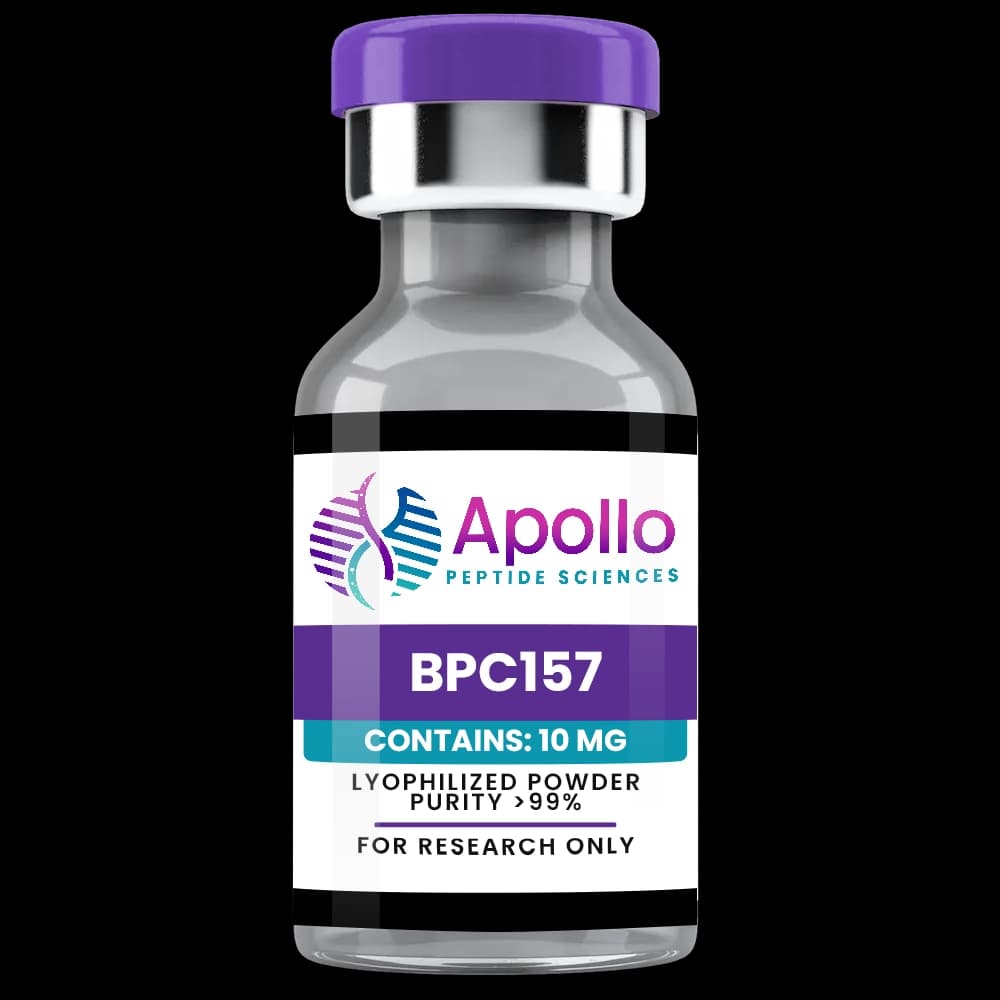
BPC157 10mg
Body Protection Compound 157 — one of the most studied healing peptides for tissue repair and gut health.
- Accelerated tendon and ligament healing
- Gut mucosal protection and repair
- Anti-inflammatory signaling
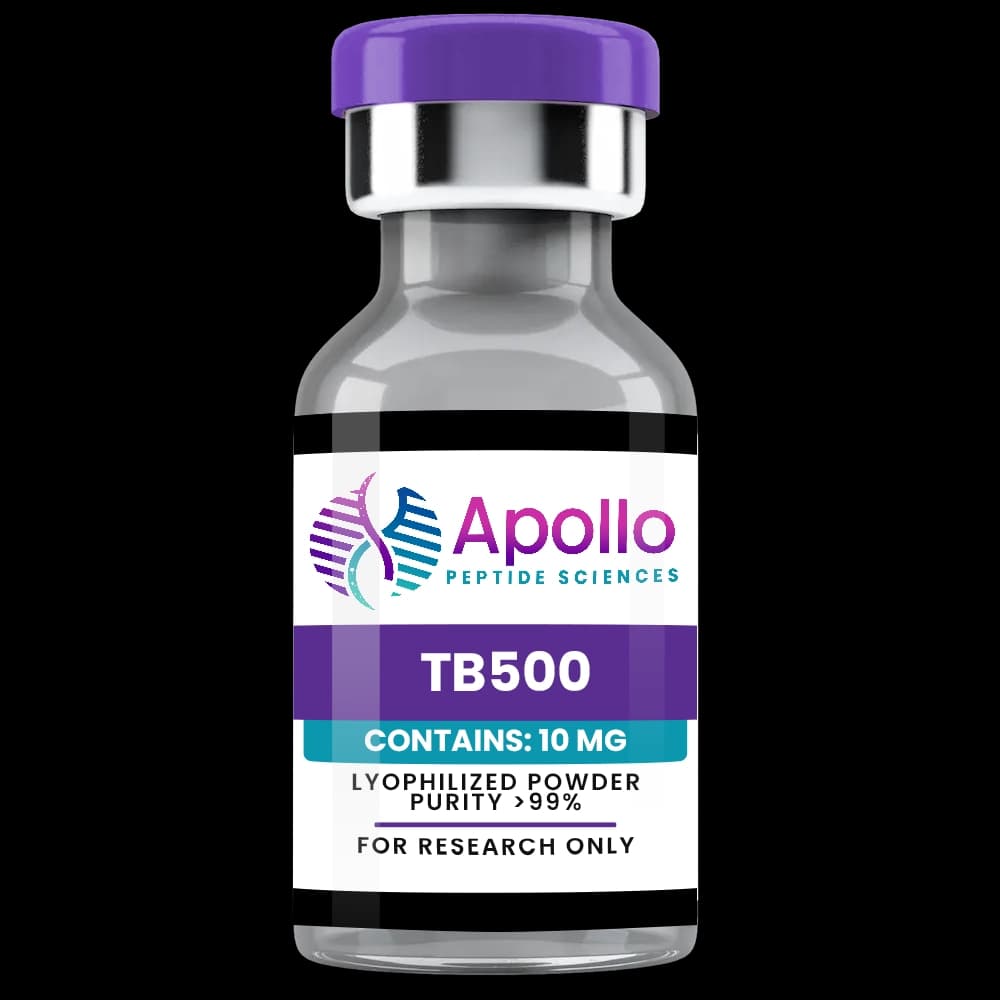
TB500
Thymosin Beta-4 fragment — systemic healing, flexibility, and tissue regeneration.
- Systemic tissue repair and cell migration
- Reduces scar tissue formation
- Muscle fiber growth support
growth-hormone
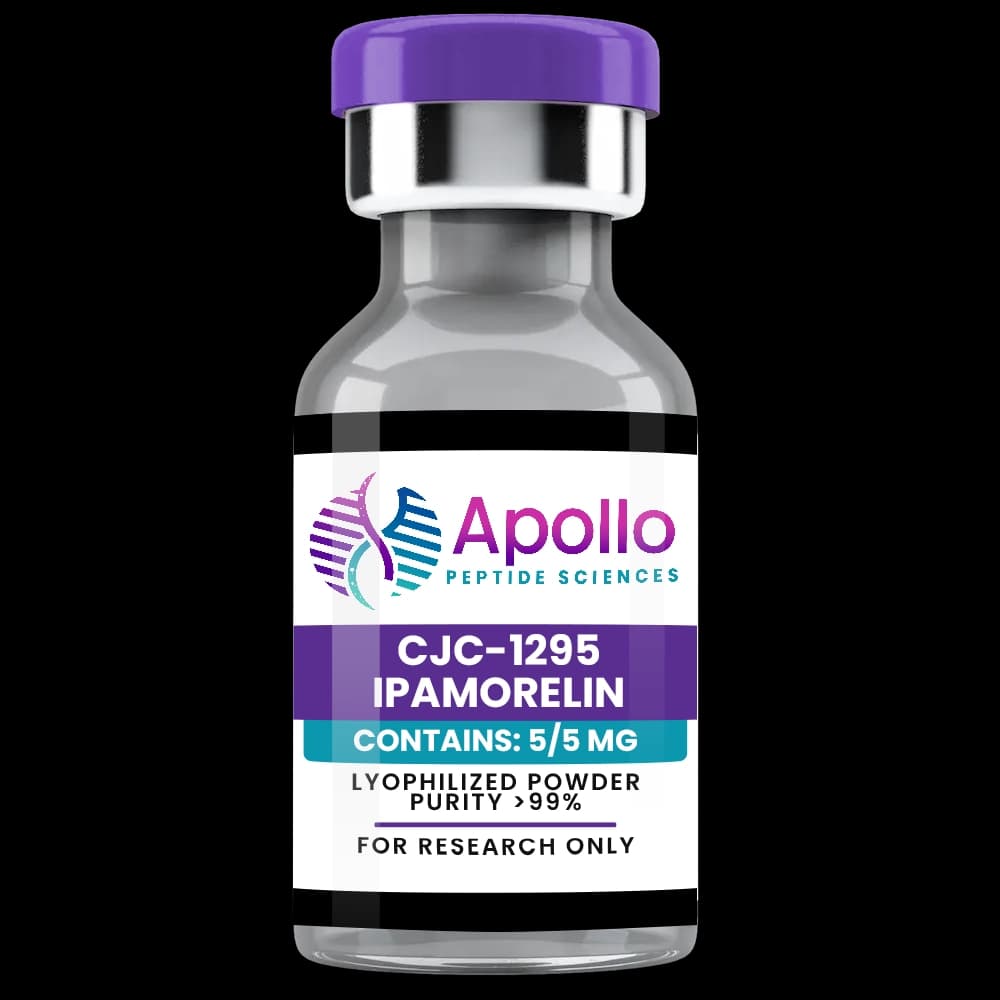
CJC1295/Ipamorelin (No DAC)
CJC-1295 (No DAC) + Ipamorelin blend — synergistic GH secretagogue stack.
- Synergistic growth hormone release
- Minimal cortisol elevation
- Improved body composition
anti-aging
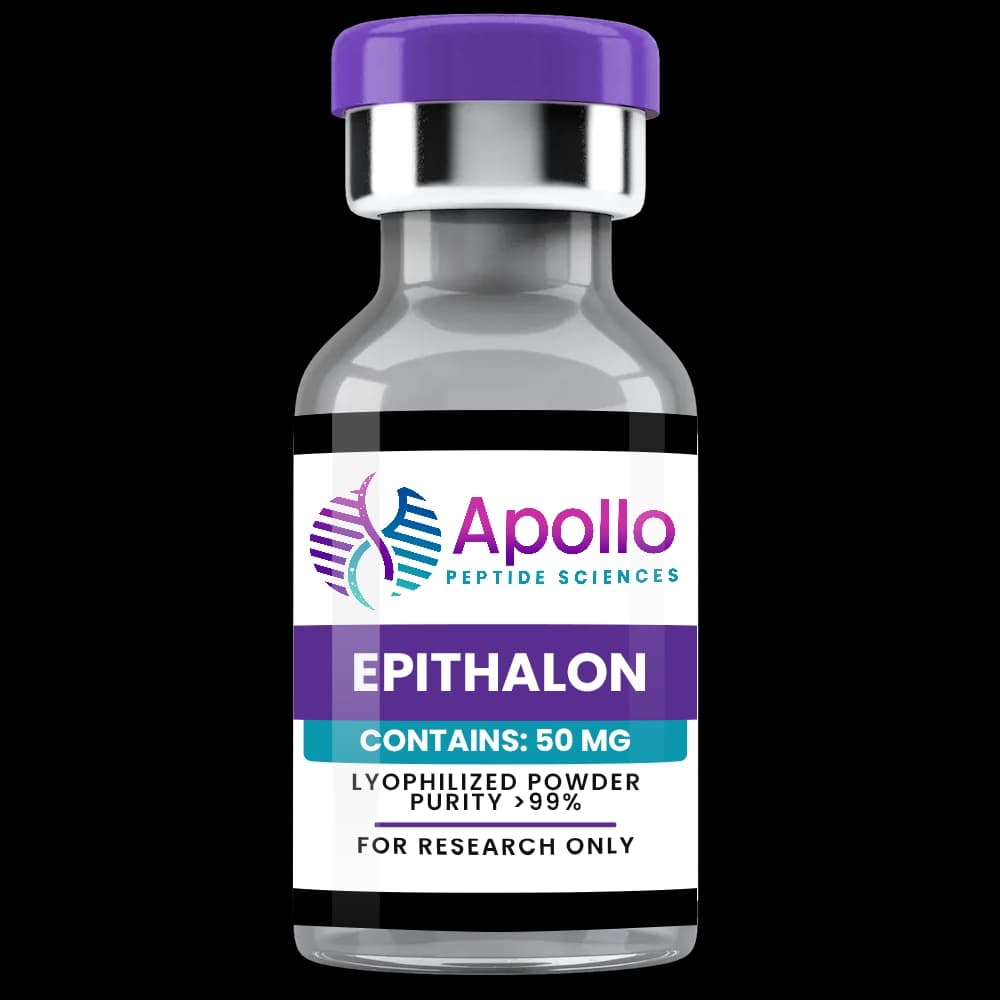
Epithalon
Tetrapeptide studied for telomere elongation and longevity mechanisms.
- Stimulates telomerase activity
- Improves sleep quality
- Supports immune function
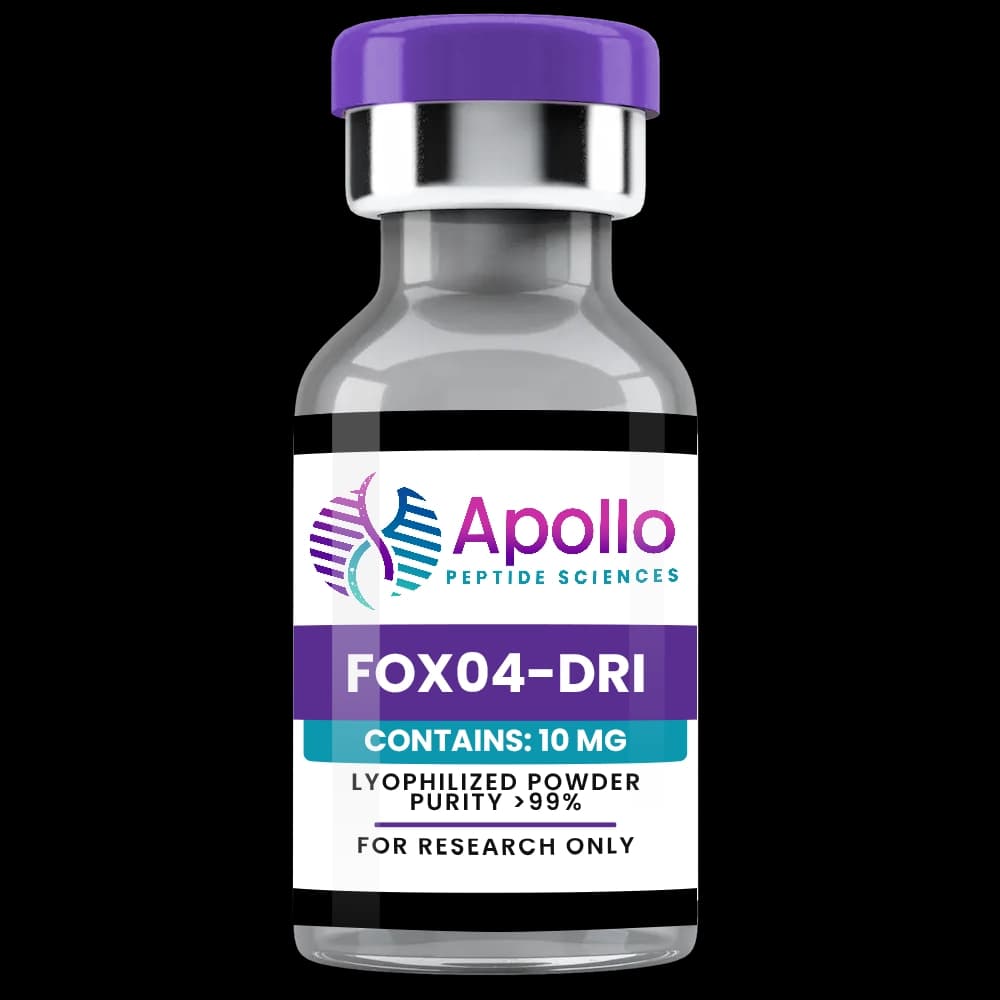
FOX04-DRI
Senolytic peptide targeting senescent cell clearance in longevity research.
- Senescent cell clearance in studies
- Longevity research
- Inflammation reduction in aging models
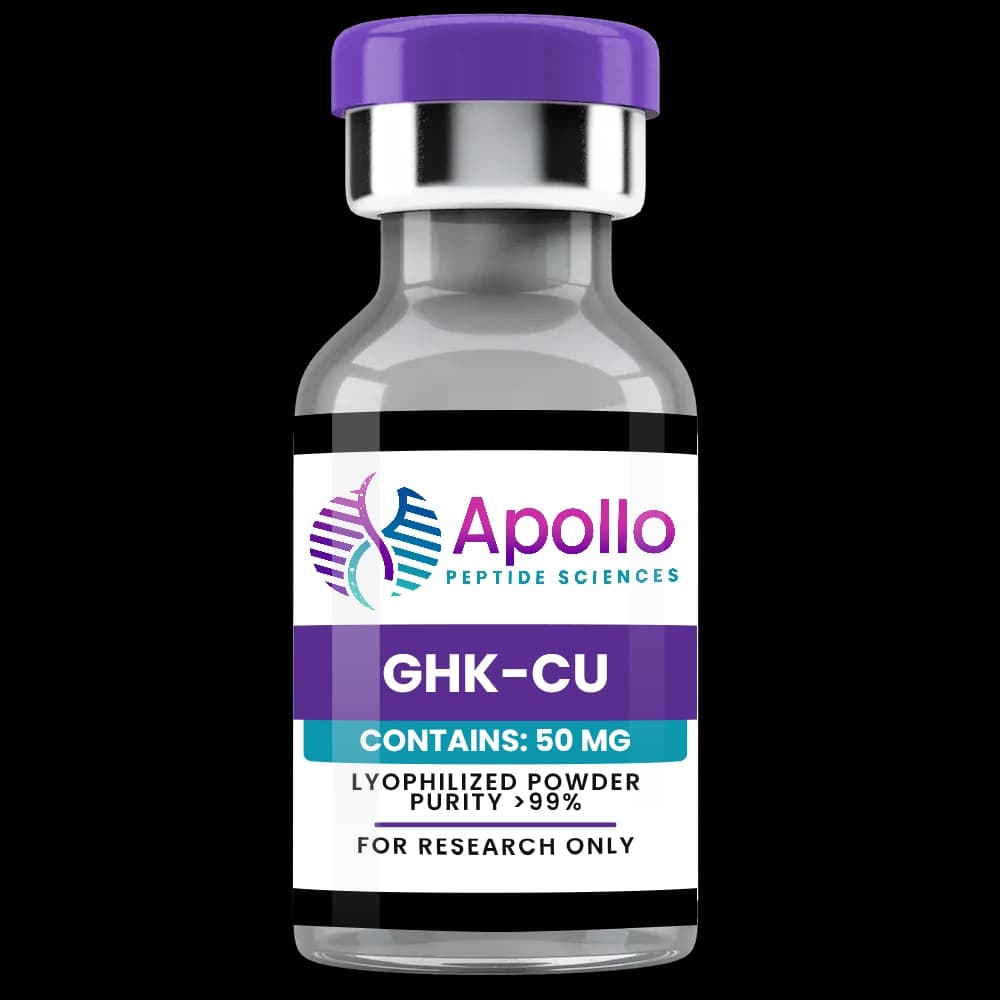
GHK-CU
Copper peptide with powerful anti-aging, collagen synthesis, and wound healing properties.
- Collagen synthesis promotion
- Wound healing acceleration
- Anti-inflammatory effects
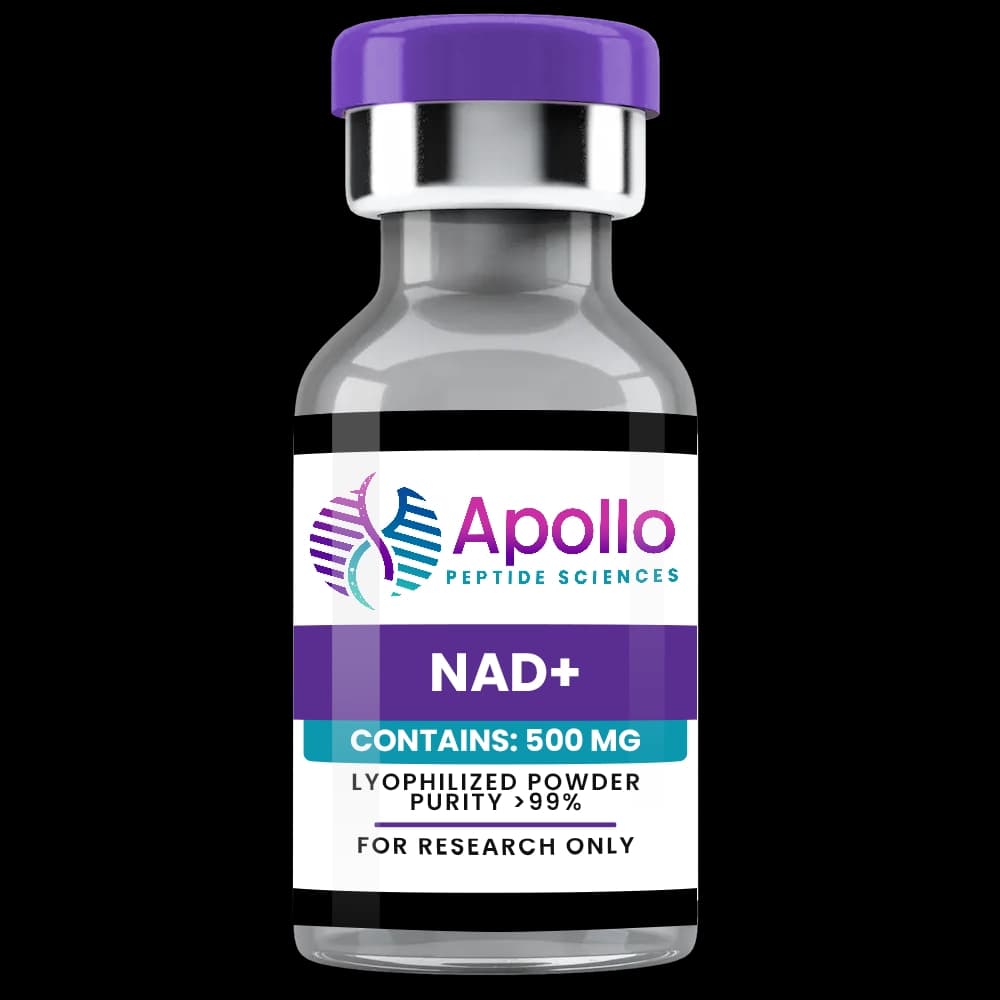
NAD+ 500mg
Nicotinamide adenine dinucleotide — cellular energy and longevity cofactor.
- Cellular energy metabolism
- DNA repair support
- Mitochondrial function
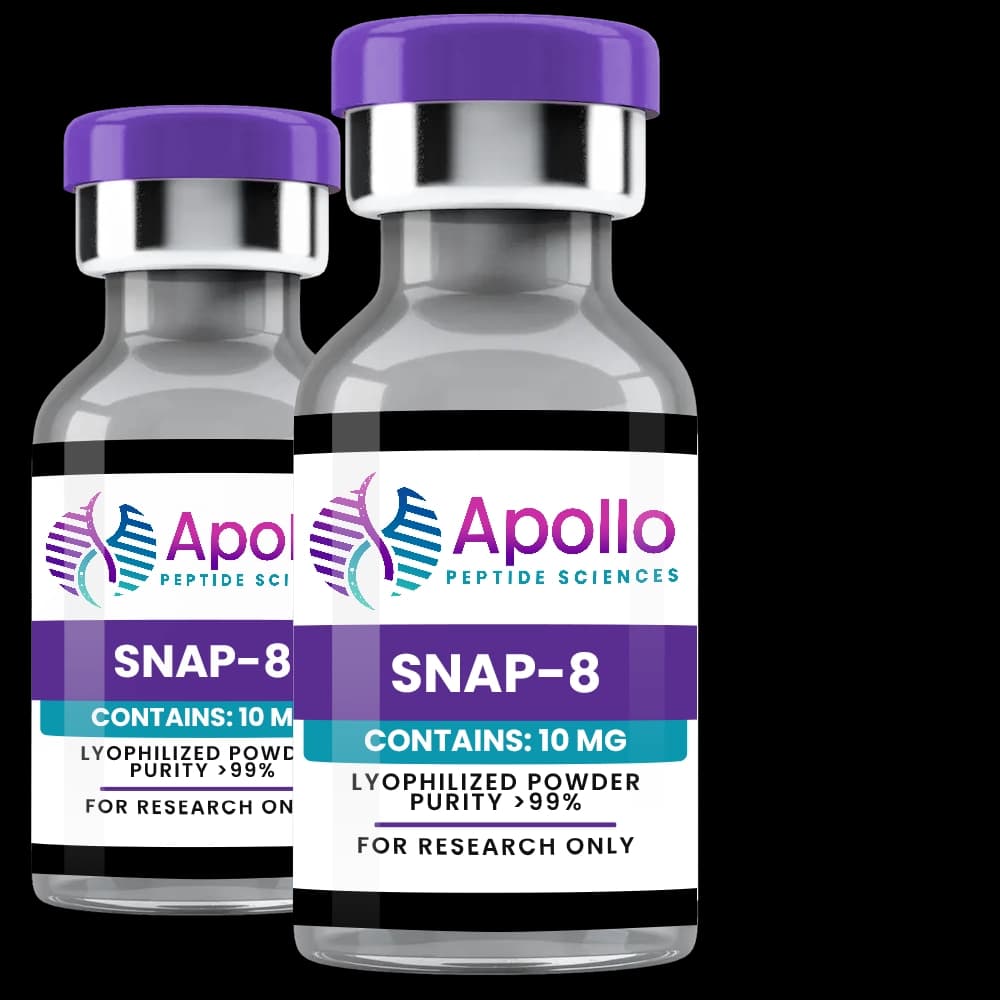
SNAP-8 (2 pack)
Two 10mg SNAP-8 vials — value pack for skin research.
- Bulk value
- Expression line research
- Extended protocol supply
metabolic
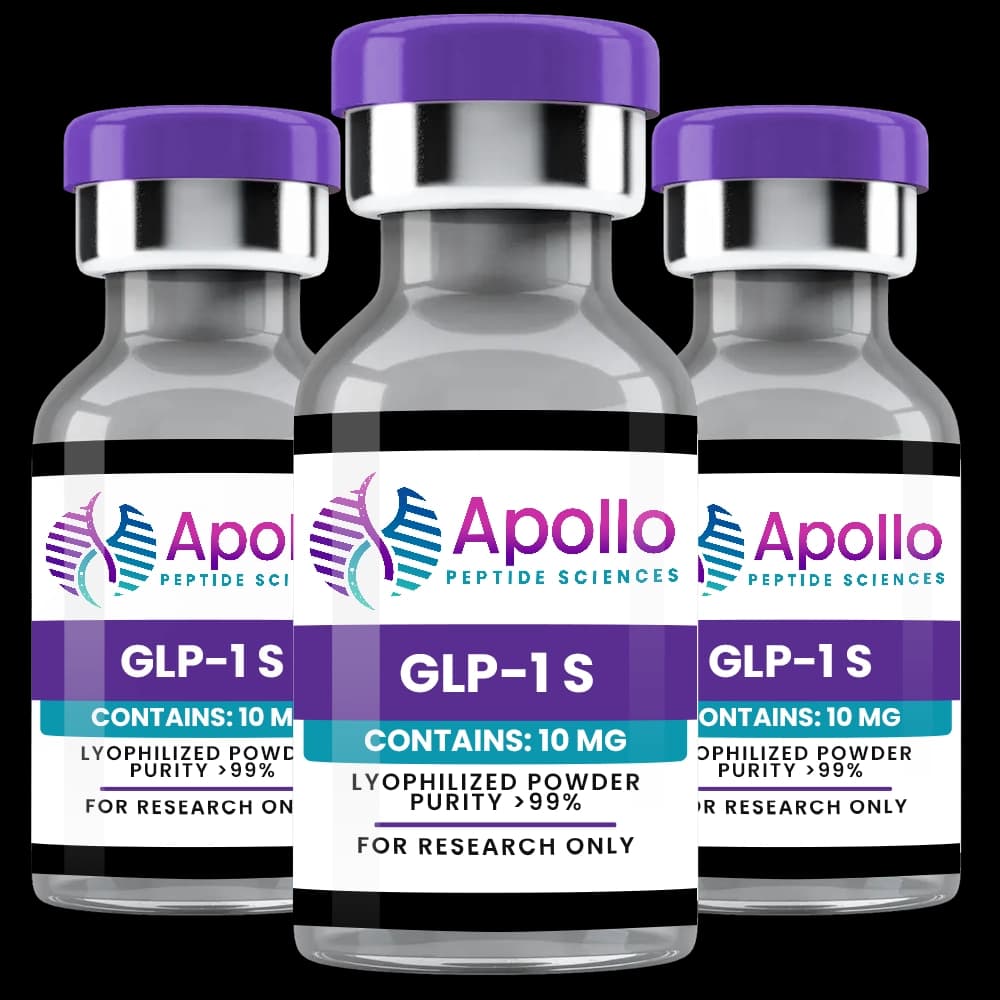
GLP-1 S 10mg (Box of 10)
Box of ten 10mg semaglutide (GLP-1 S) vials.
- Bulk pricing
- GLP-1 receptor agonism
- Extended protocol supply
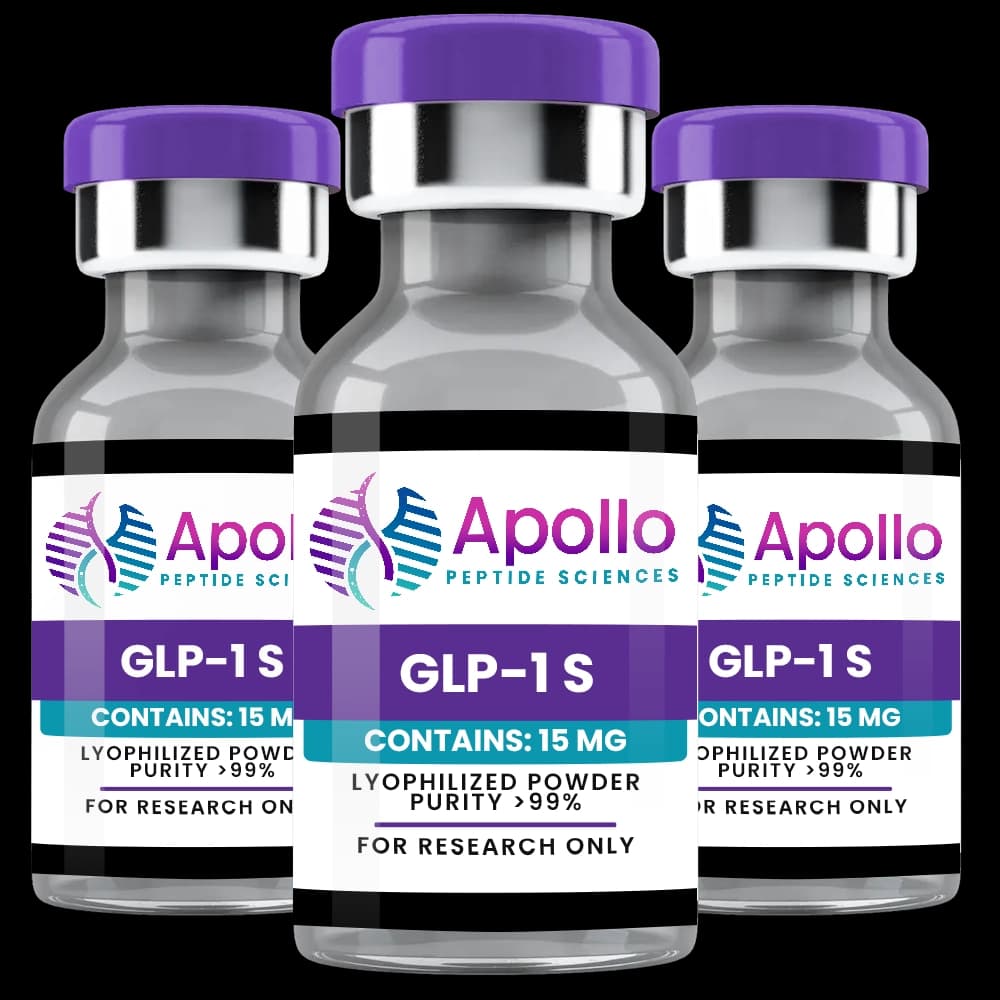
GLP-1 S 15mg (Box of 10)
Box of ten 15mg semaglutide (GLP-1 S) vials.
- Bulk pricing
- GLP-1 receptor agonism
- Extended protocol supply
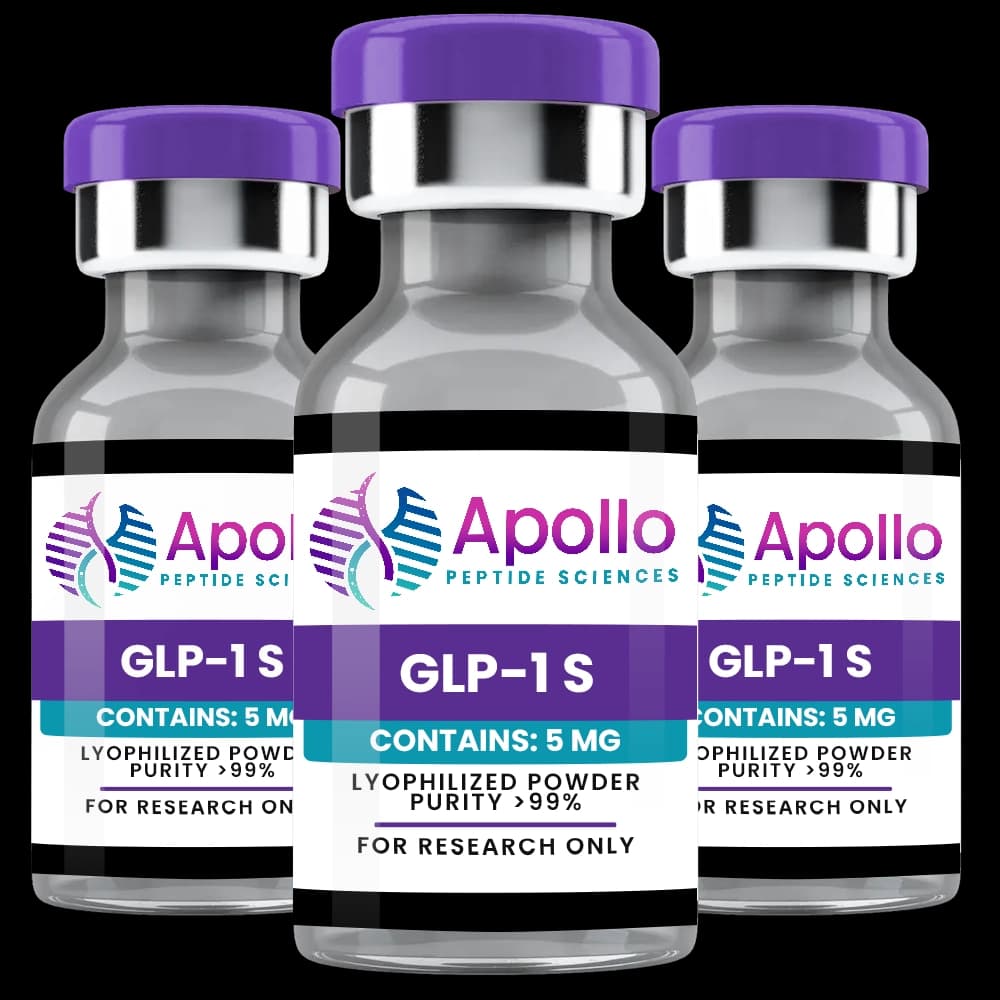
GLP-1 S 5mg (Box of 10)
Box of ten 5mg semaglutide (GLP-1 S) vials.
- Bulk pricing
- GLP-1 receptor agonism
- Extended protocol supply
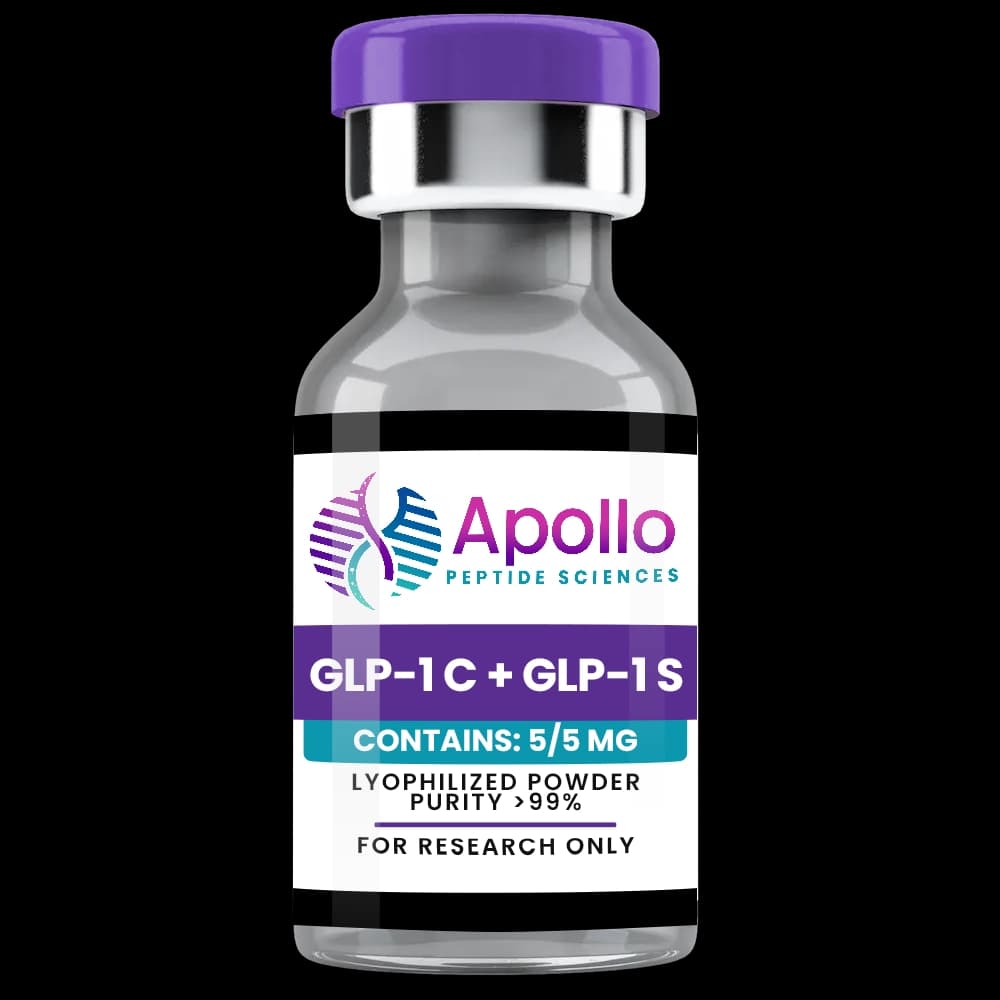
GLP-1 C + GLP-1 S
Cagrilintide + semaglutide combination for dual-pathway metabolic research.
- Dual amylin + GLP-1 pathway
- Enhanced appetite regulation
- Metabolic research combination
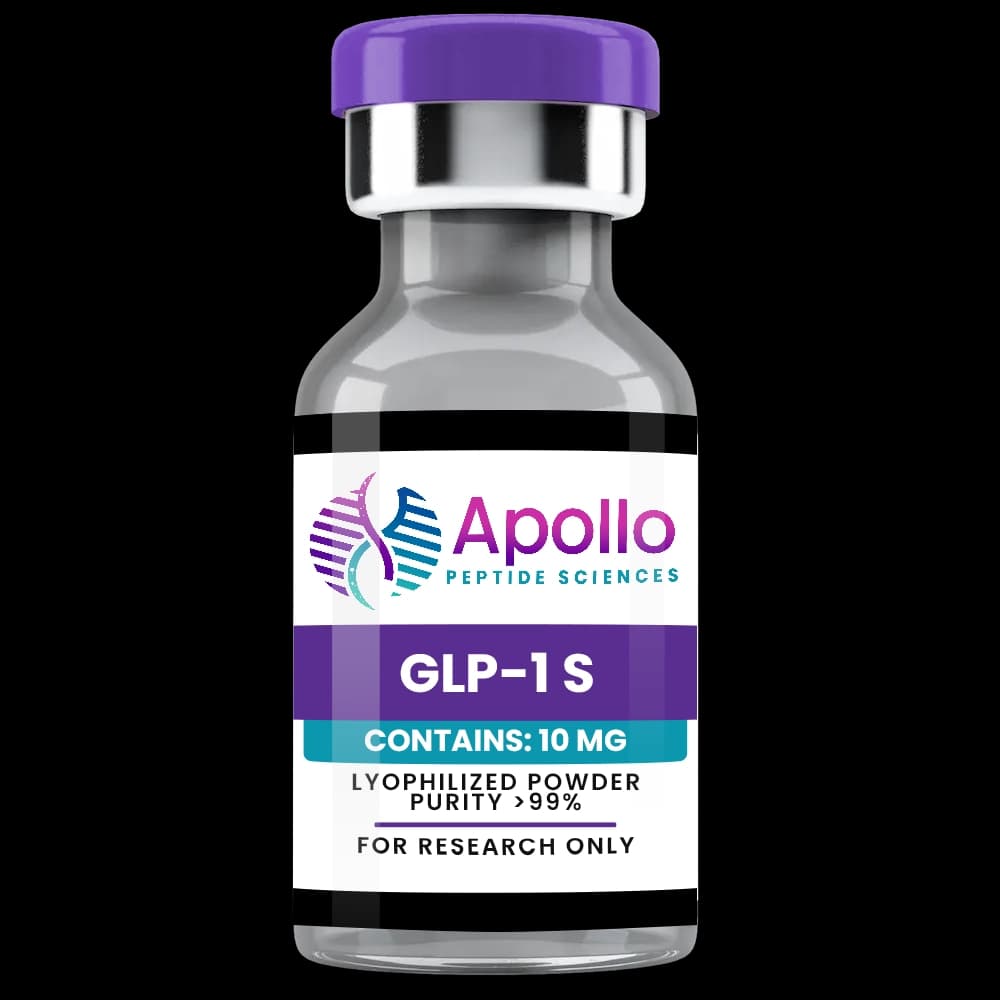
GLP-1 S 10mg
Mid-size semaglutide vial for standard research protocols.
- Extended protocol supply
- GLP-1 receptor agonism
- Appetite and glucose regulation
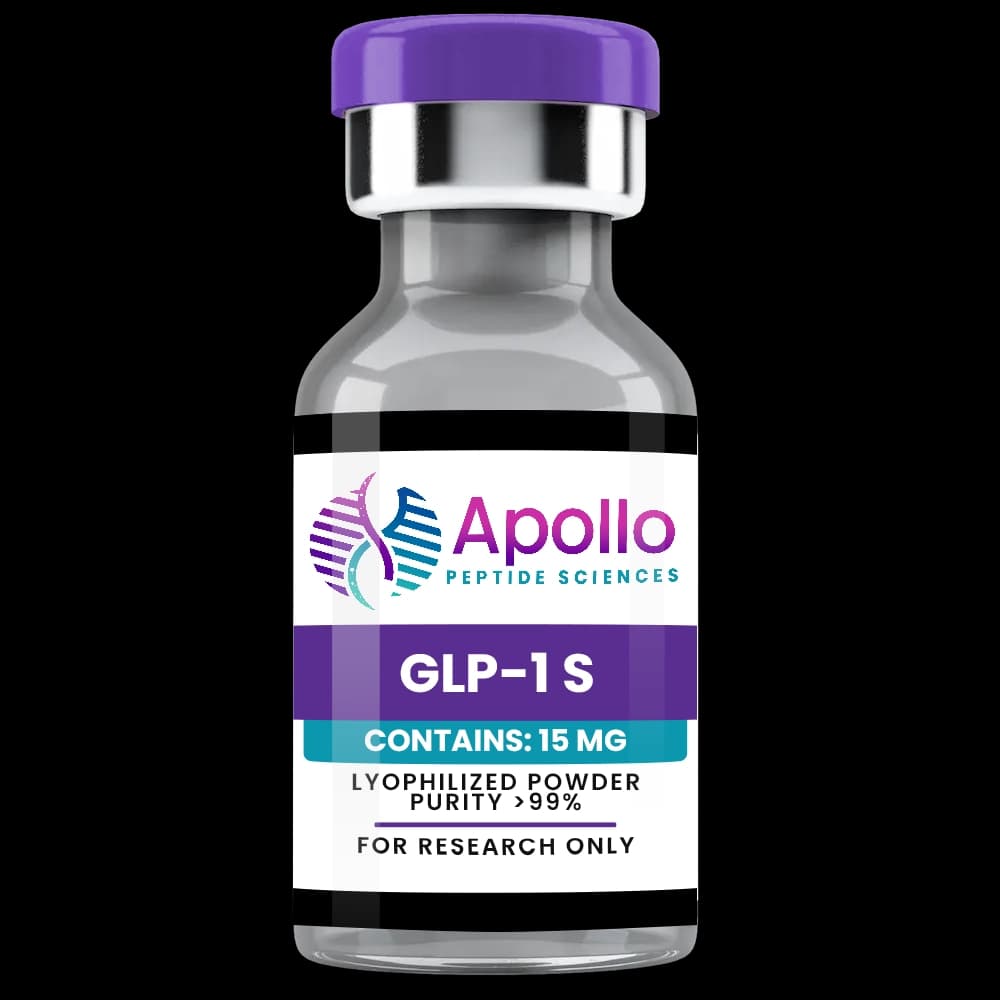
GLP-1 S 15mg
Higher-capacity semaglutide vial for extended research.
- Long-cycle supply
- GLP-1 receptor agonism
- Metabolic research flexibility
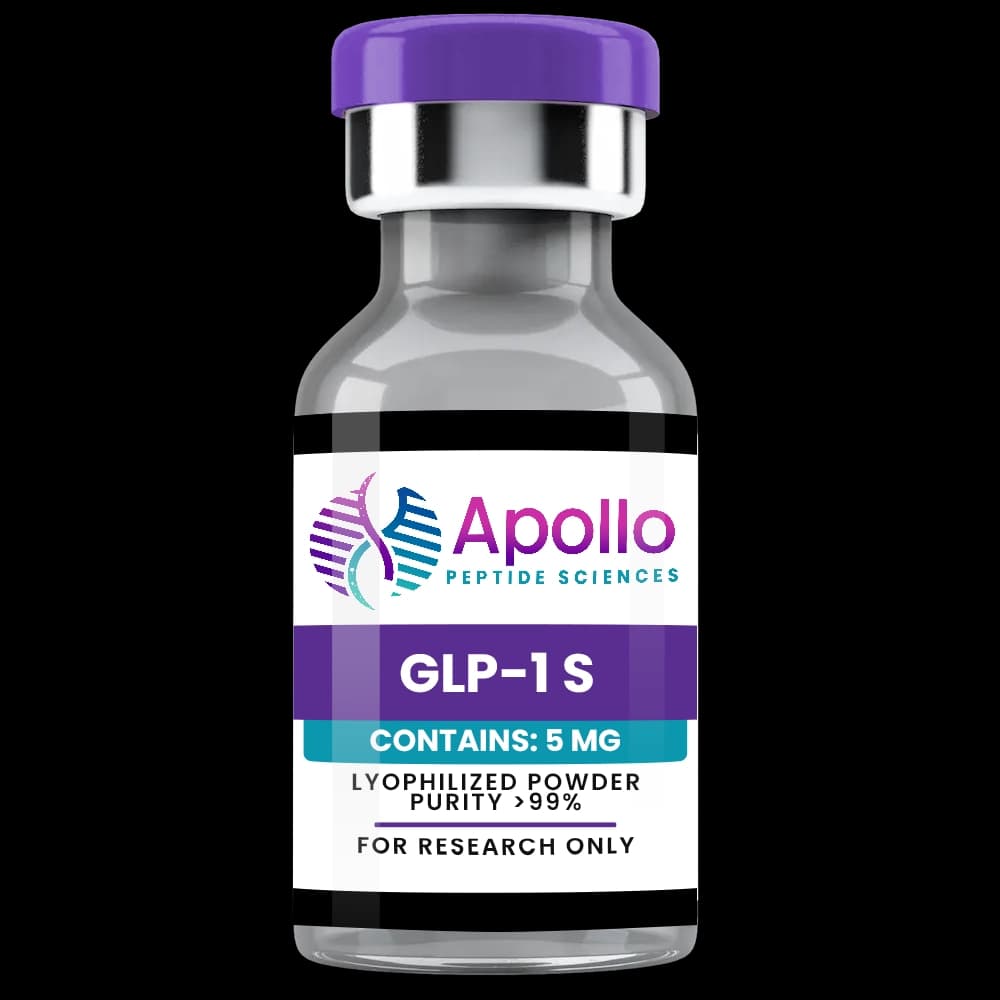
GLP-1 S 5mg
GLP-1 receptor agonist for appetite regulation and metabolic research.
- Appetite regulation
- Weight management support
- Improved glycemic control in studies
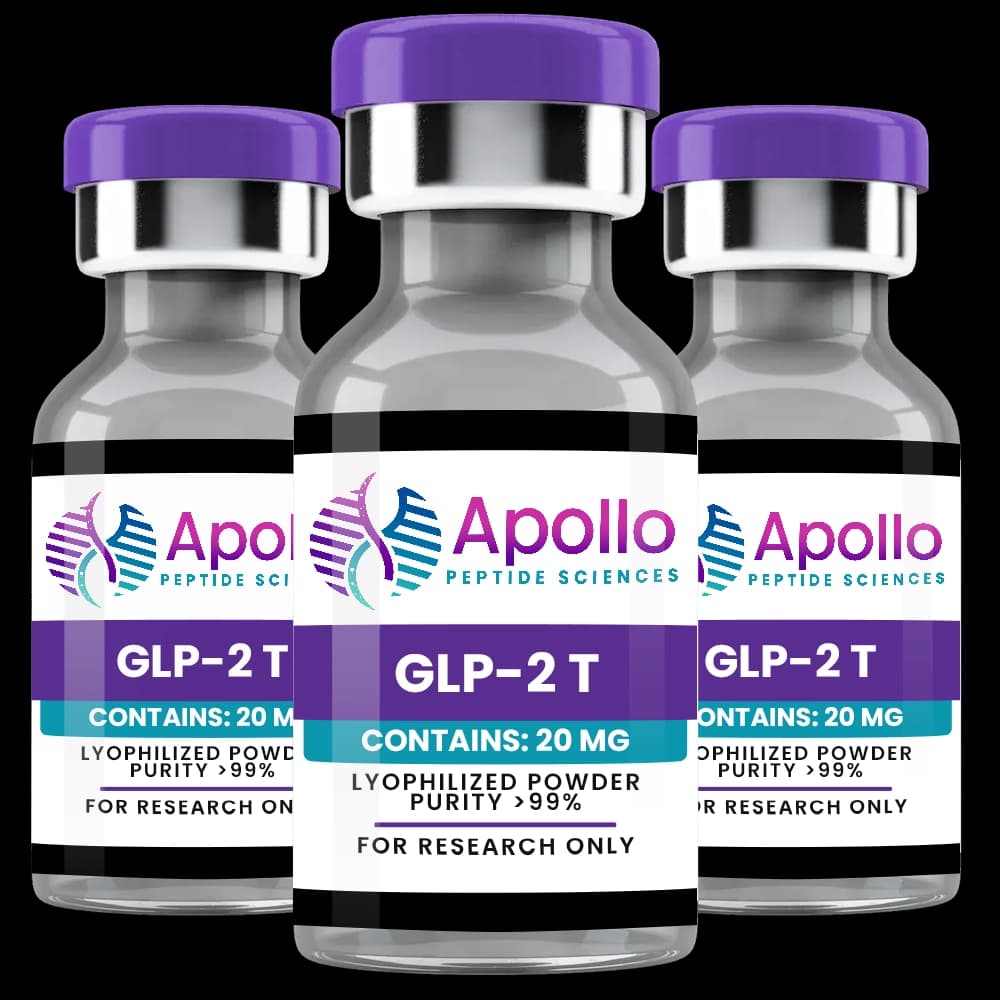
GLP-2 T 20mg (Box Of 10)
Box of ten 20mg tirzepatide (GLP-2 T) vials.
- Bulk pricing
- Dual GIP/GLP-1 agonism
- Extended supply
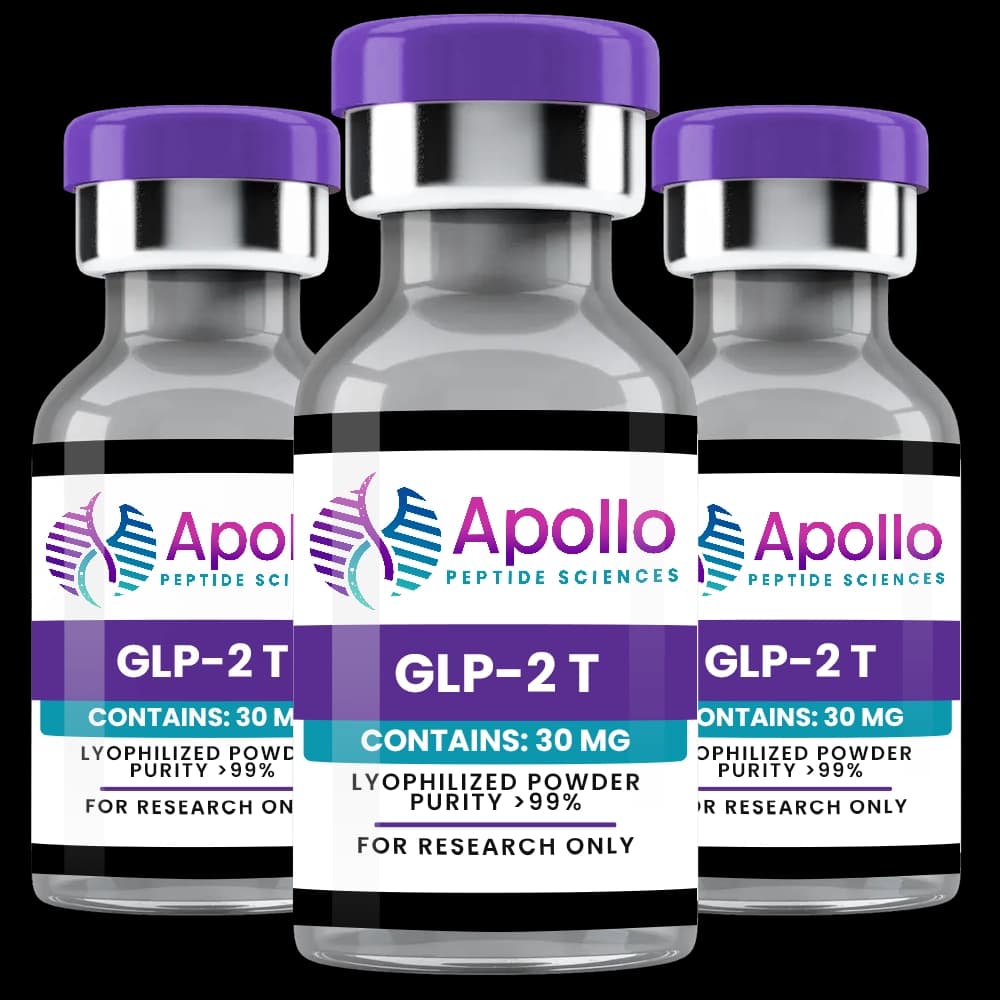
GLP-2 T 30mg (Box Of 10)
Box of ten 30mg tirzepatide (GLP-2 T) vials.
- Bulk pricing
- Dual GIP/GLP-1 agonism
- Extended supply
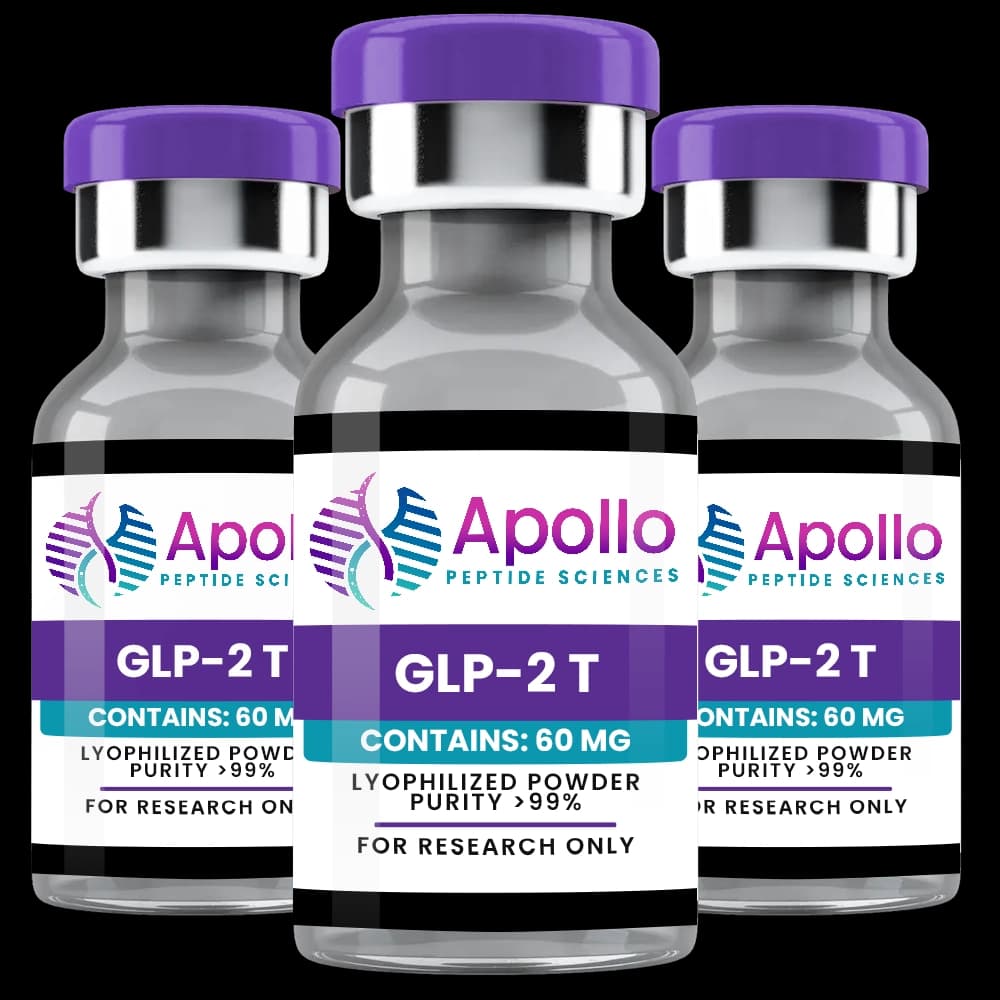
GLP-2 T 60mg (Box Of 10)
Box of ten 60mg tirzepatide (GLP-2 T) vials.
- Maximum bulk supply
- Dual GIP/GLP-1 agonism
- Best per-vial value
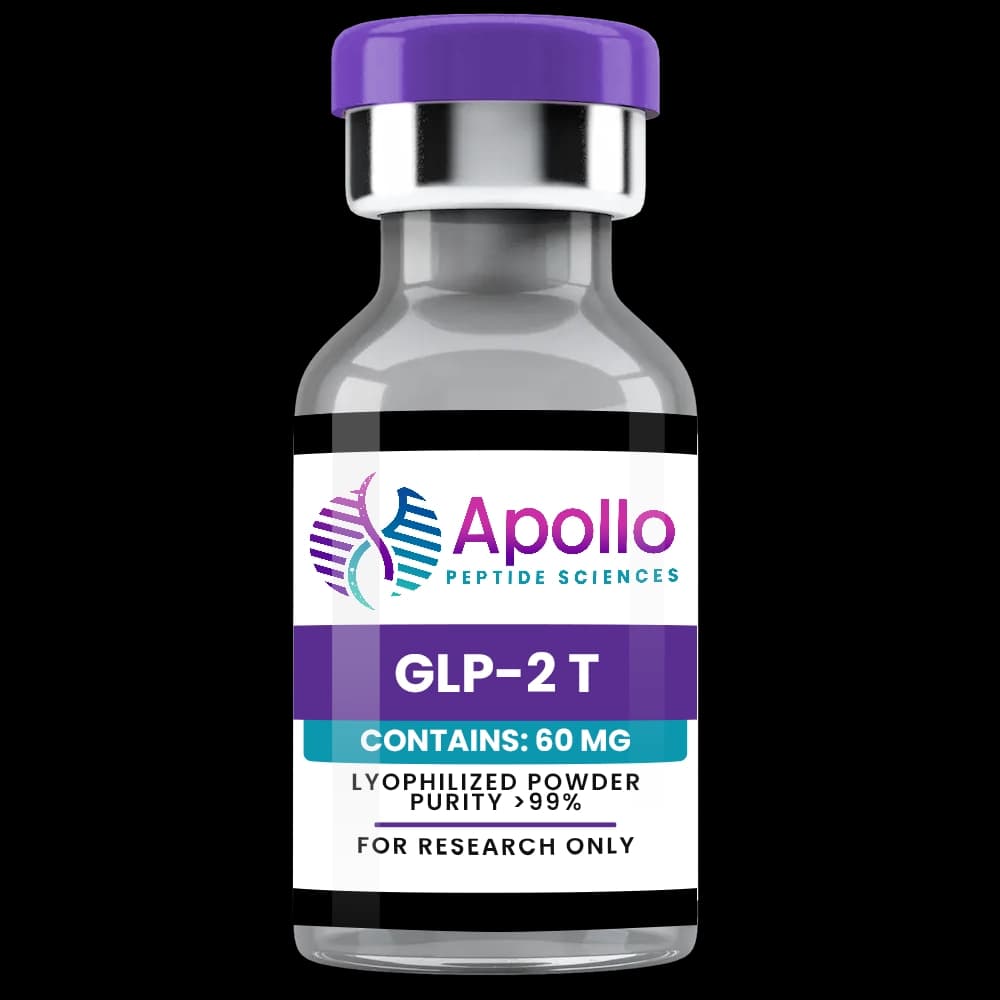
GLP-2 T 60mg
Bulk tirzepatide vial for long-duration metabolic research.
- Long-cycle supply
- Dual GIP/GLP-1 receptor agonism
- Cost-effective for extended protocols
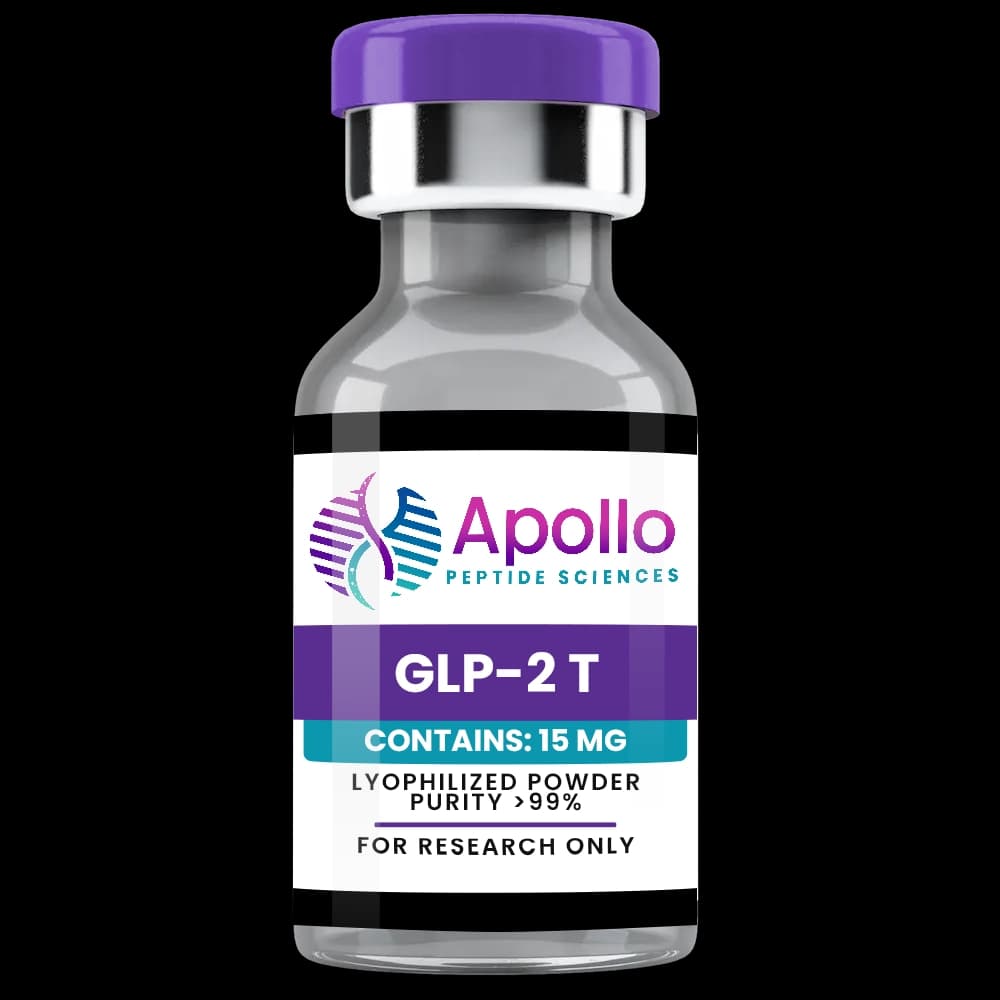
GLP-2 T 15mg
Dual GIP/GLP-1 receptor agonist for weight management and metabolic health.
- Weight management support
- Improved insulin sensitivity
- Appetite regulation
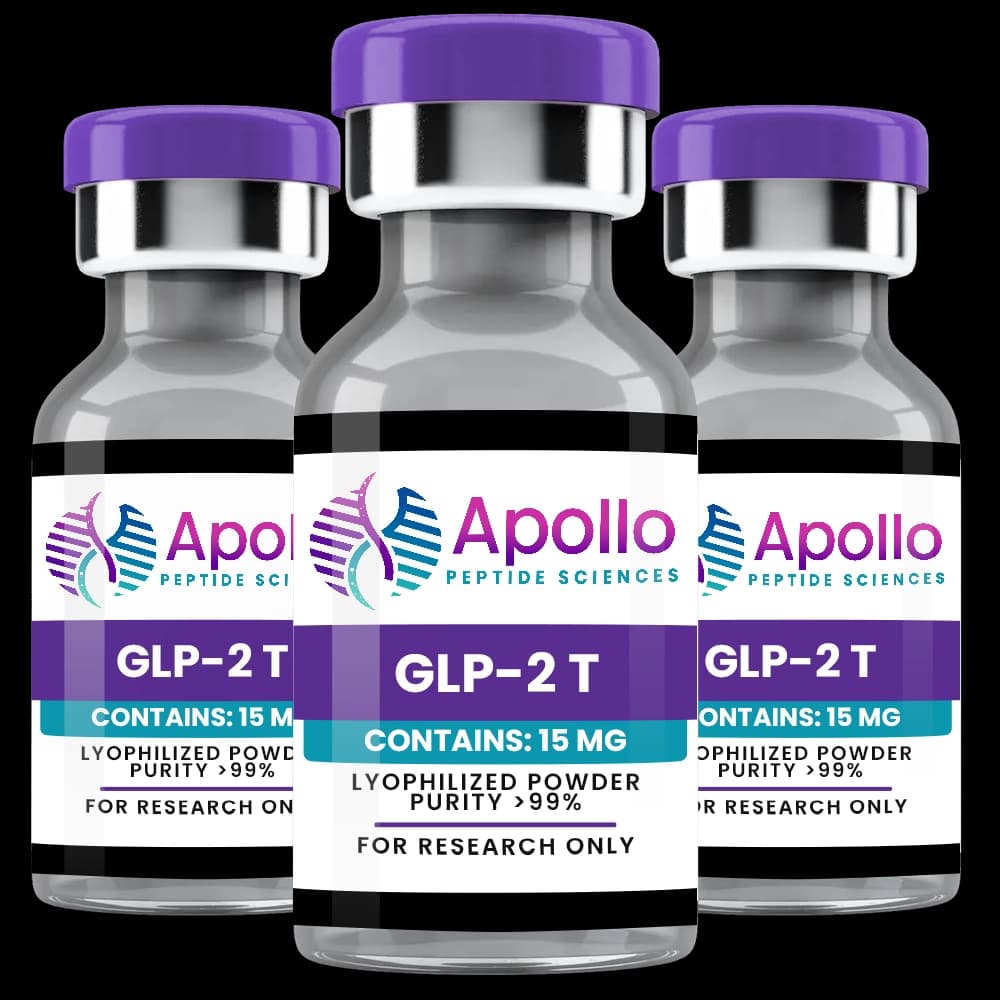
GLP-2 T 15mg (Box of 10)
Ten 15mg tirzepatide vials — bulk value pack from Apollo.
- Bulk value
- Dual GIP/GLP-1 agonism
- Extended supply
GLP-2 T 15mg (4 pack)
Four 15mg tirzepatide vials — bulk value pack.
- Bulk value
- Extended protocol supply
- Dual GIP/GLP-1 agonism
GLP-2 T 20mg (5 pack)
Five 20mg tirzepatide vials — bulk multi-pack.
- Bulk value
- Long-cycle supply
- Dual GIP/GLP-1 agonism
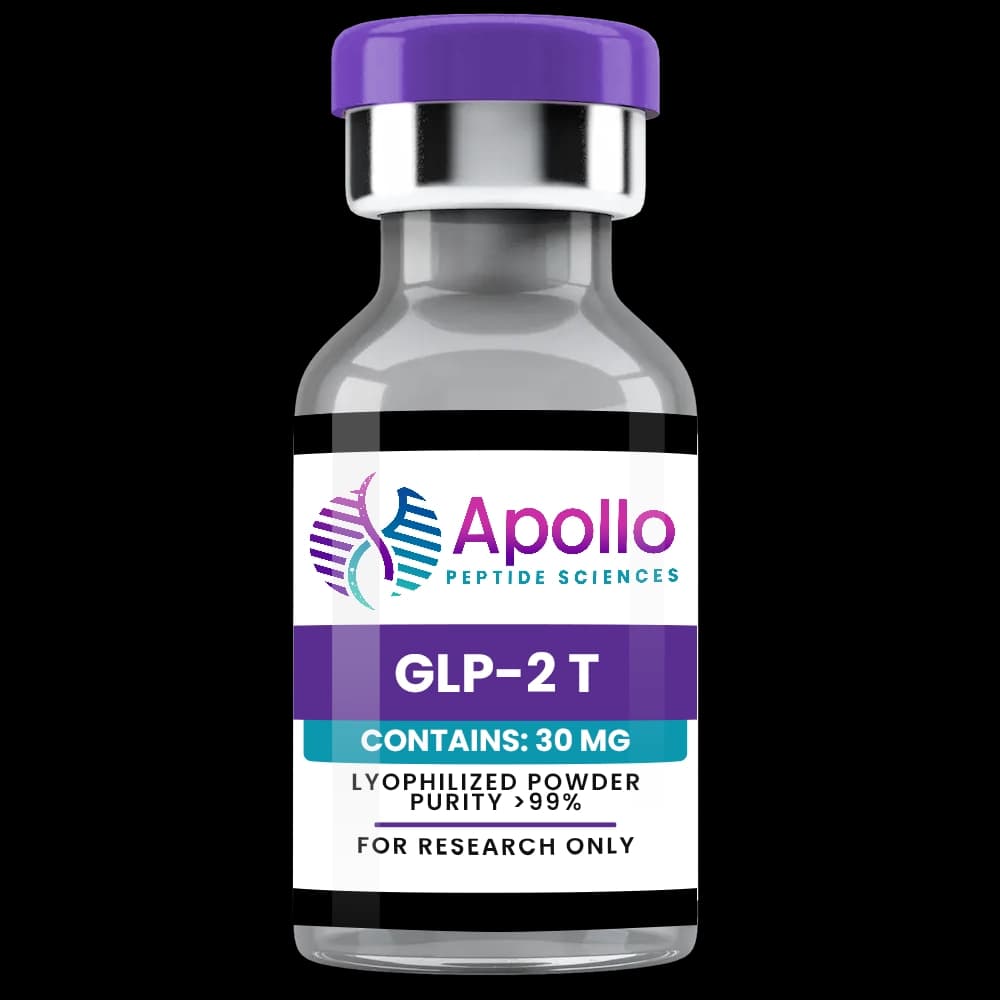
GLP-2 T 30mg
Higher-dose tirzepatide vial for extended research protocols.
- Extended protocol supply
- Dual GIP/GLP-1 agonism
- Metabolic research flexibility
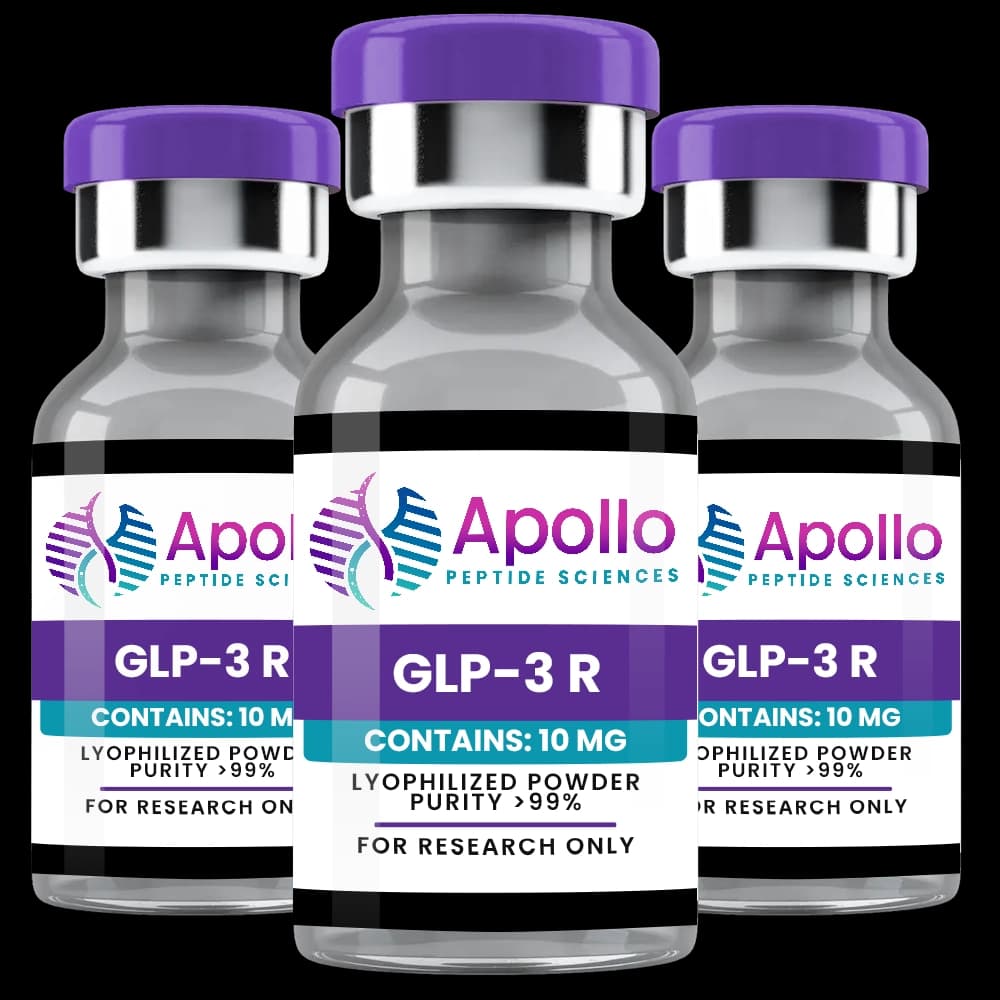
GLP-3 R 10mg (Box of 10)
Box of ten 10mg retatrutide (GLP-3 R) vials.
- Bulk pricing
- Triple receptor agonism
- Extended supply
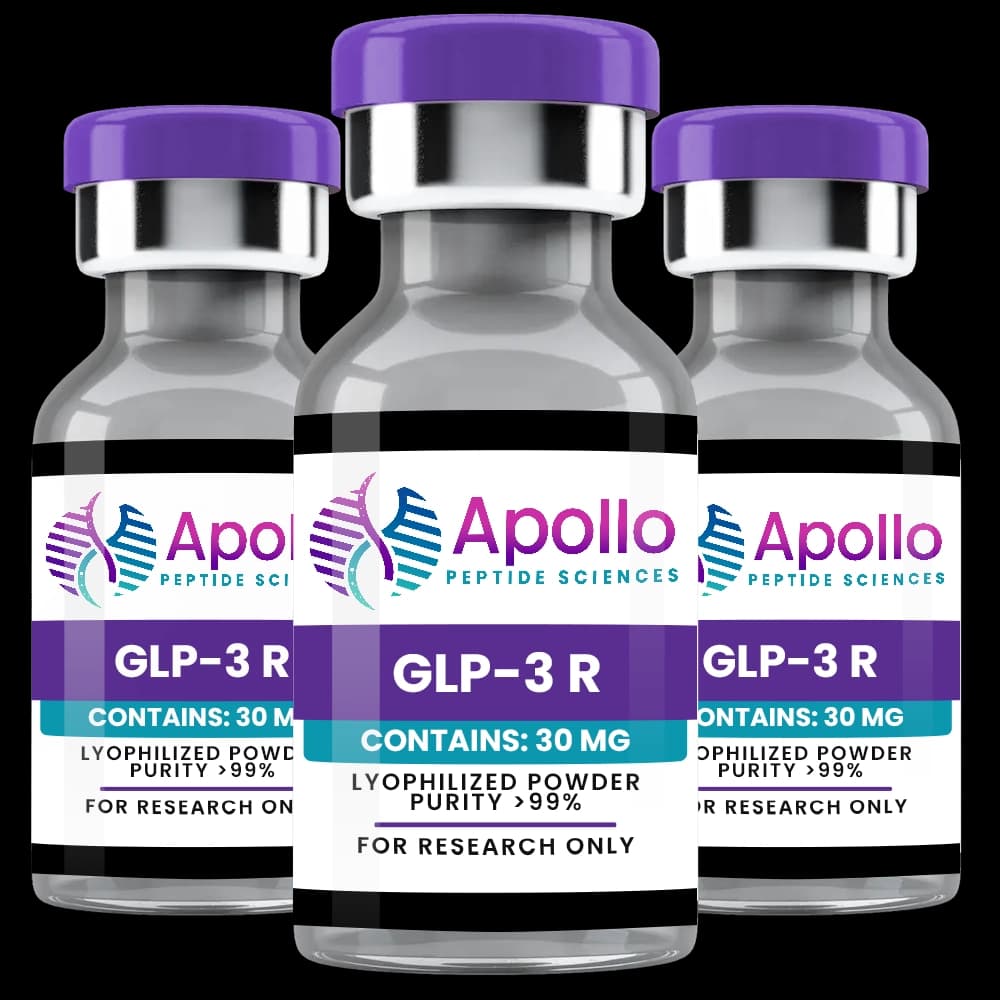
GLP-3 R 30mg (Box of 10)
Box of ten 30mg retatrutide (GLP-3 R) vials.
- Bulk pricing
- Triple receptor agonism
- Extended supply
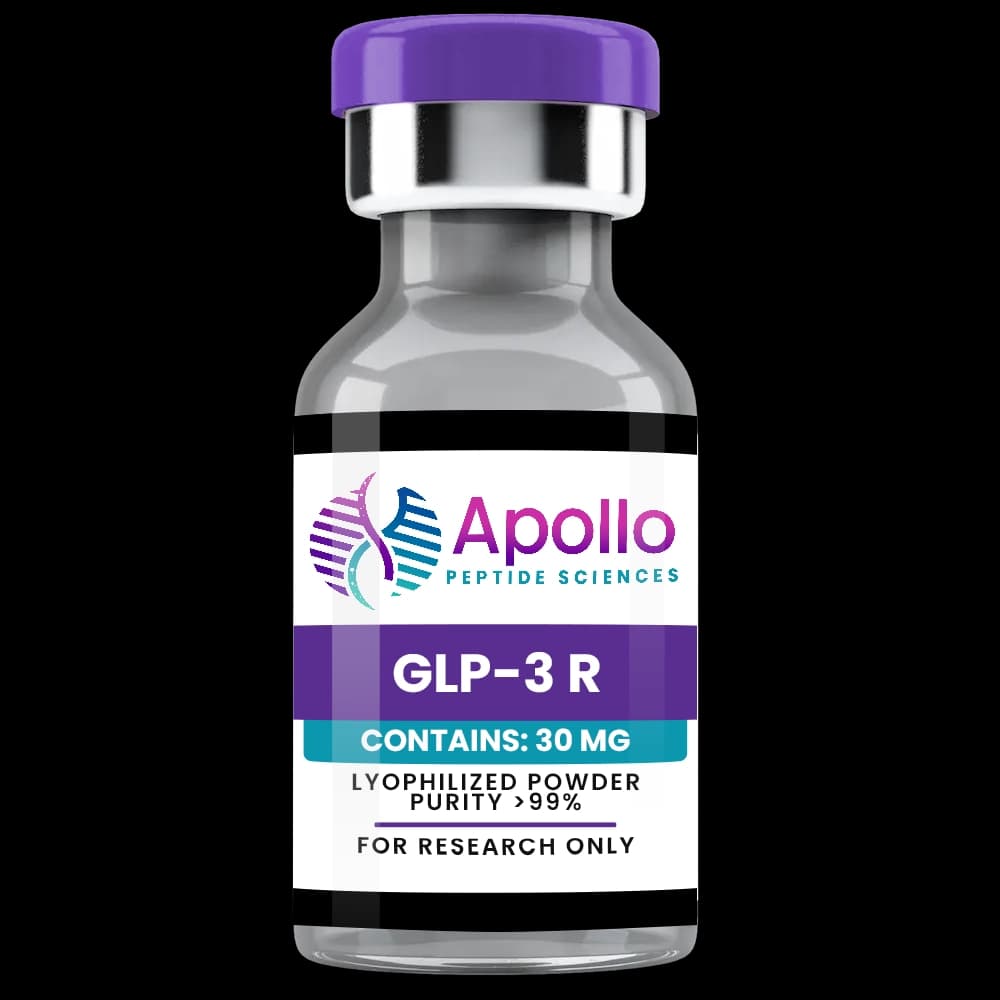
GLP-3 R 30mg
Higher-dose retatrutide vial for extended protocols.
- Long-cycle supply
- Triple GLP-1/GIP/glucagon agonism
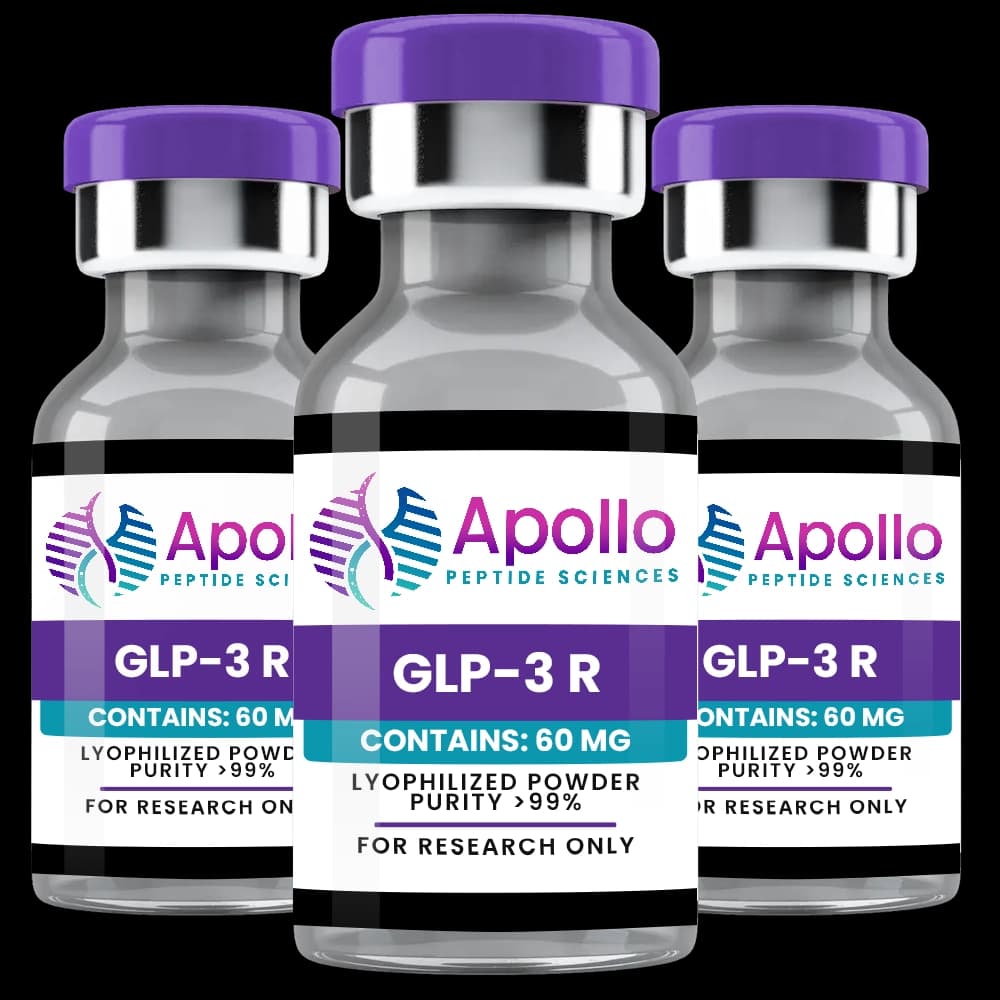
GLP-3 R 60mg (Box of 10)
Box of ten 60mg retatrutide (GLP-3 R) vials.
- Maximum bulk supply
- Triple receptor agonism
- Best per-vial value
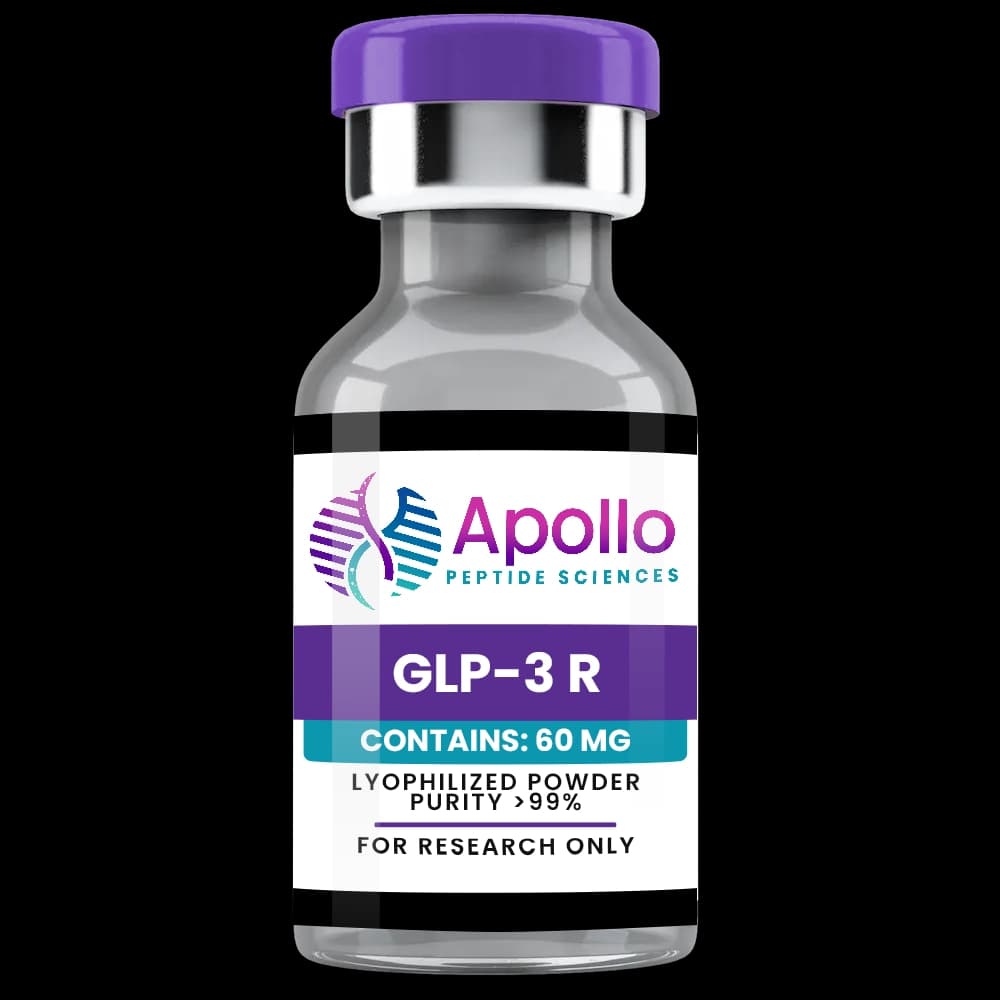
GLP-3 R 60mg
Bulk retatrutide vial for long-duration research.
- Bulk supply
- Triple receptor agonism
- Extended protocol value
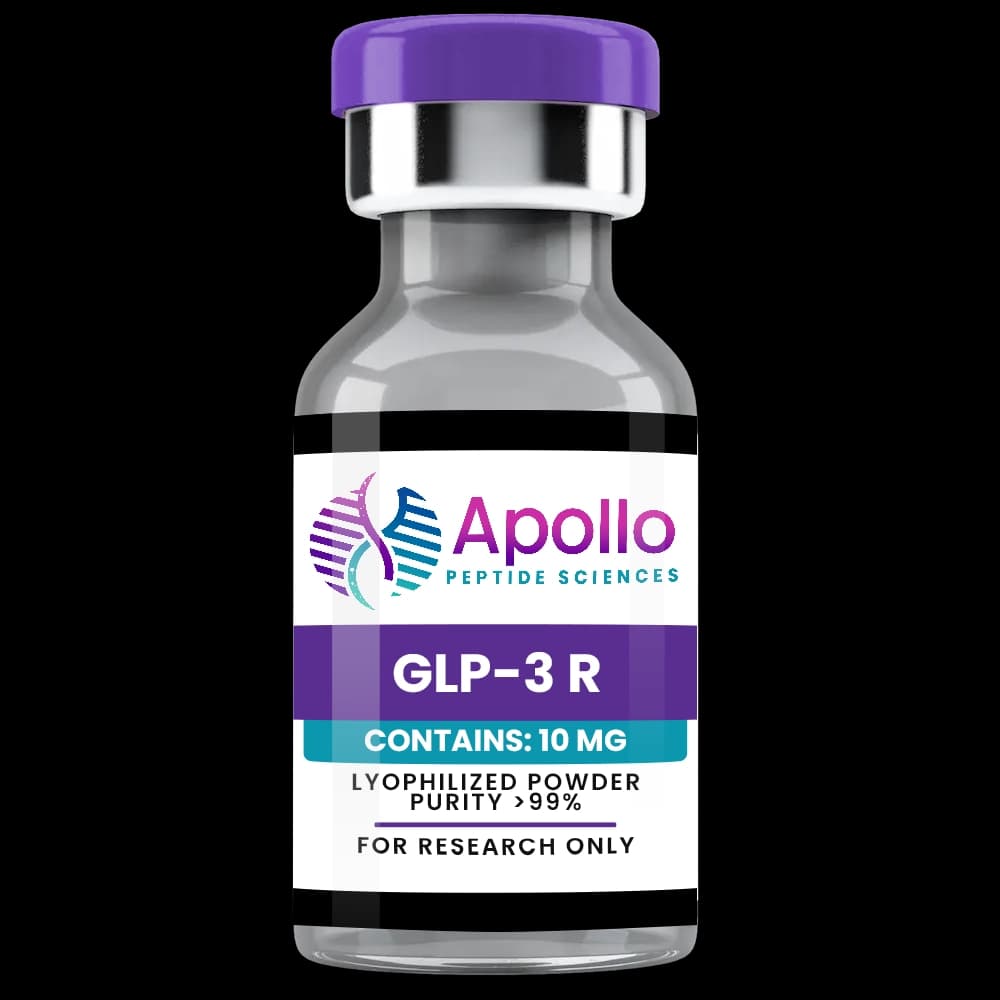
GLP-3 R 10mg
Triple agonist (GLP-1/GIP/glucagon) for advanced metabolic research.
- Triple receptor agonism
- Weight management research
- Enhanced metabolic effects in studies
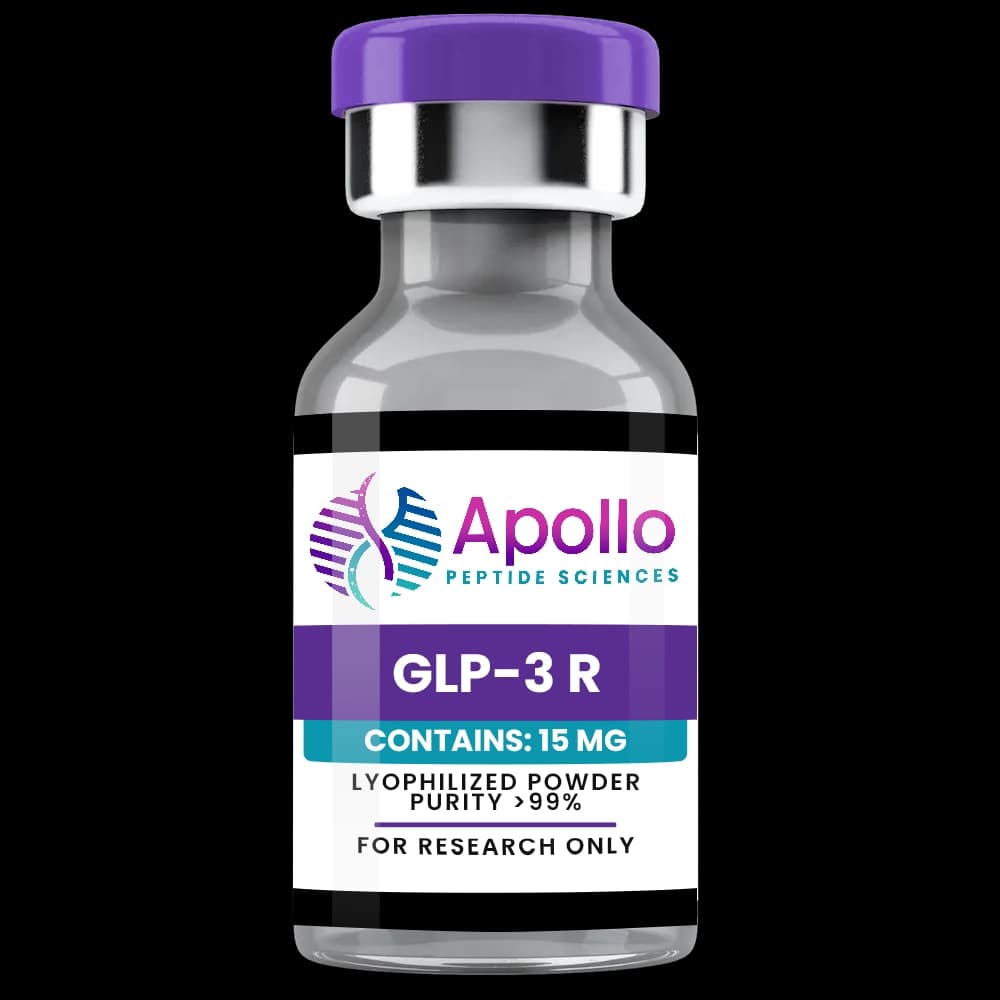
GLP-3 R 15mg
Mid-size retatrutide vial for standard research protocols.
- Triple receptor agonism
- Extended protocol supply
- Advanced metabolic research