
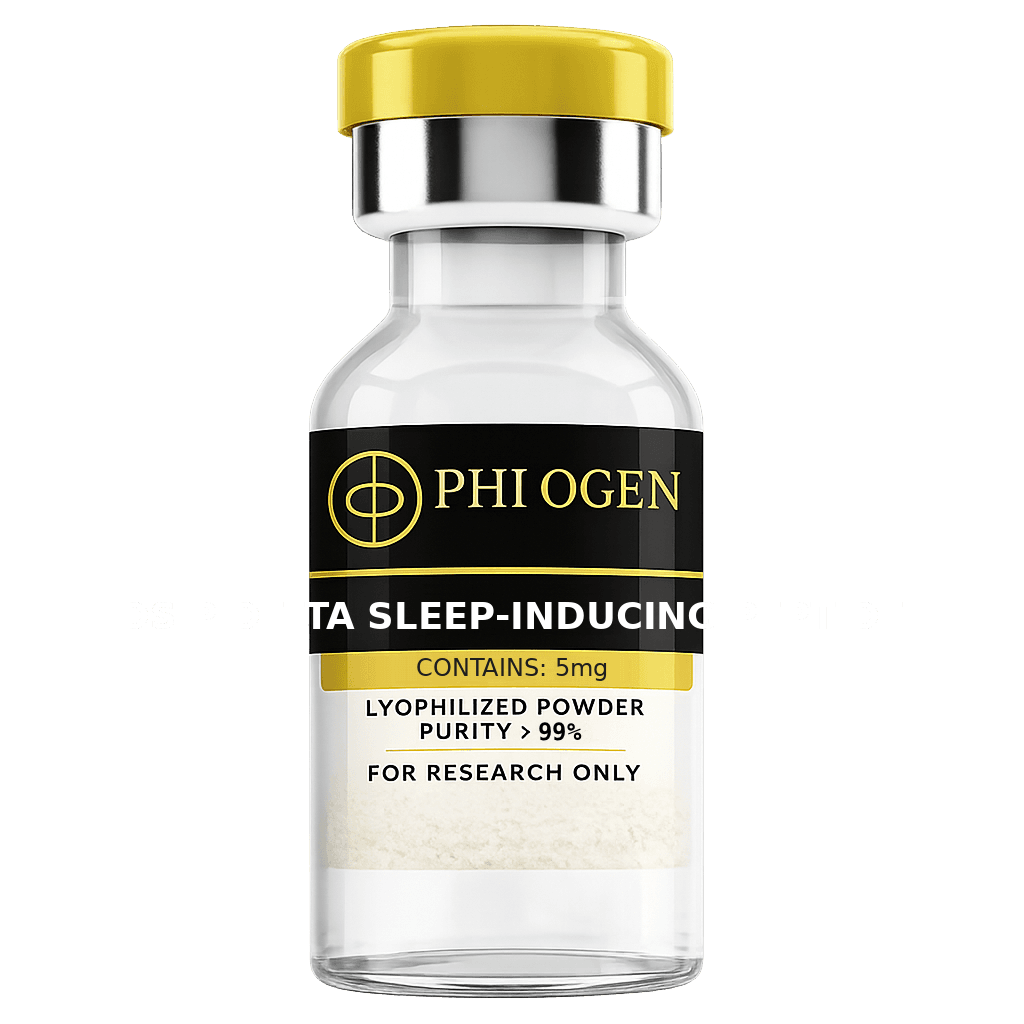
Buy DSIP (Delta Sleep-Inducing Peptide) Online — 3 sizes (5 mg–15 mg)
BDNF / NGF pathway work structured for neurovascular coupling studies.
DSIP (Delta Sleep-Inducing Peptide) is a nine-amino-acid peptide first isolated from cerebral venous blood of sleeping rabbits in the 1970s. It is primarily studied in sleep-architecture, stress-response, and neuroendocrine-modulation research.
Vial sizes and price per mg
Up to 33% cheaper per mgReconstitution volumes
Volumes of bacteriostatic water required to dissolve each vial at common research concentrations.
| Vial | at 2 mg/mL | at 5 mg/mL | at 10 mg/mL |
|---|---|---|---|
| 5 mg | 2.50 mL | 1 mL | 0.50 mL |
| 10 mg | 5 mL | 2 mL | 1 mL |
| 15 mg | 7.50 mL | 3 mL | 1.50 mL |
Numbers are calculated from the stated vial mass. Verify against the supplier's instructions for your specific research protocol.
Mechanism in the literature
DSIP has been reported to modulate delta-wave EEG activity, stress-axis signaling, and certain neuroendocrine parameters. Its exact receptor target remains an open question in the research literature — a rare case of a well-studied peptide without a definitively identified receptor.
Research use-cases
- Nine-amino-acid peptide first isolated in 1977
- Studied in sleep, stress, and neuroendocrine research
- Available in 5, 10, and 15 mg research vials
- Receptor target remains an active research question
Often paired with
Buyers viewing DSIP (Delta Sleep-Inducing Peptide) typically also consider NA-Selank Amidate, N-Acetyl Semax Amidate and Pinealon. Each is in stock, sealed under nitrogen with a lot-matched CoA.
Handling in the lab
Reconstitute under sterile technique with bacteriostatic water. Typical volumes range from 1–3 mL depending on the target working concentration. Swirl gently — do not shake — to avoid peptide shearing.
Stacking and paired-compound work
Typically studied alone in sleep-research designs.
Frequently asked
Does DSIP have a known receptor?
Despite decades of study, a specific DSIP receptor has not been definitively identified — an unusual situation for such a well-characterized peptide.
What EEG endpoints have been studied?
Delta-wave activity modulation — the namesake of the peptide.
Why multiple vial sizes?
Protocol concentration and duration vary — 5 mg for short pilots, 15 mg for longer research windows.
Is it widely used in current research?
Less than in the 1980s–90s peak, but still a documented entry in sleep-peptide research.
More Cognitive compounds
 2 sizes-10%
 -10%
-10% -10%
-10%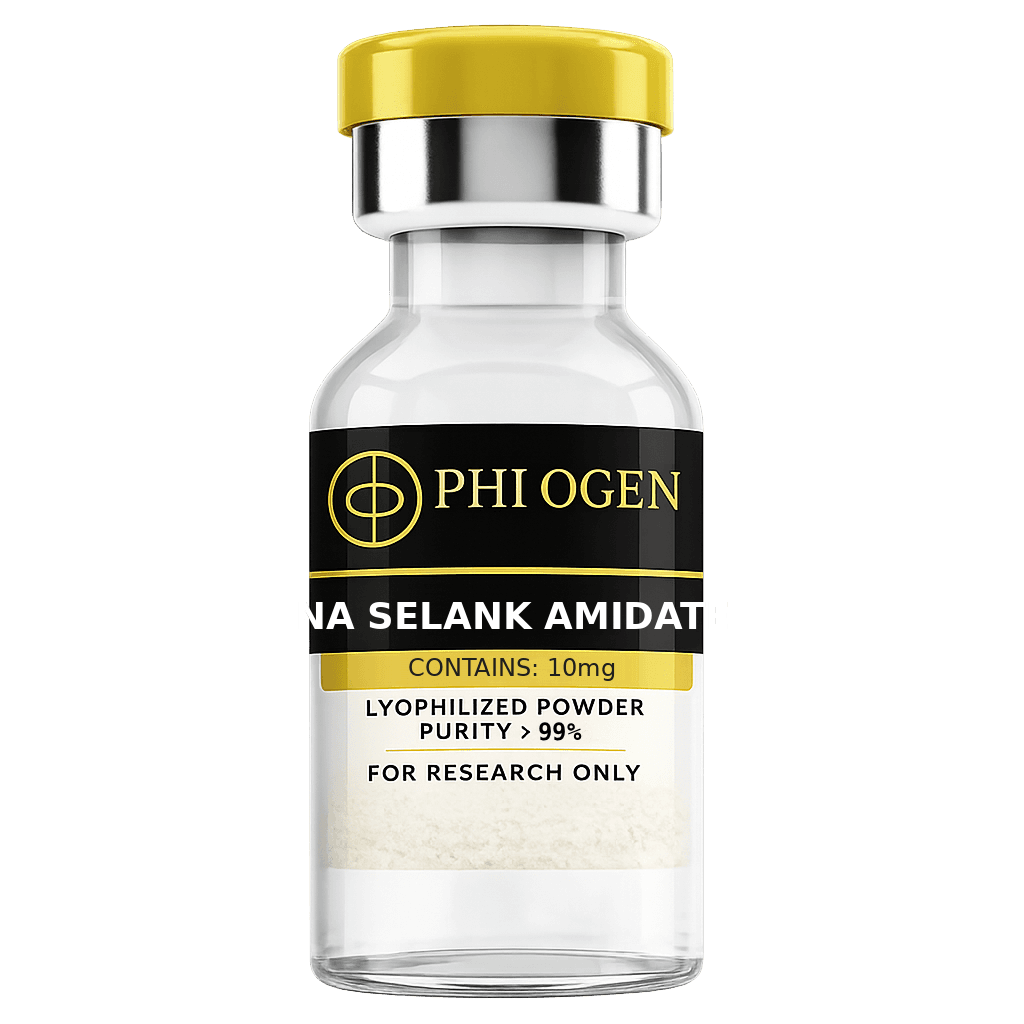 2 sizes-10%