
Shop Pre-Mixed Peptide Blends — Complementary Pathway Vials
Pre-mixed blends are research peptides supplied in a single vial at a documented ratio. The main use-case is comparative protocol work where multiple pathways are studied in parallel — rather than reconstituting and dosing two or three vials separately, researchers use a single blend to reduce variable count across arms. Every blend here lists its constituents with per-compound purity verification in the lot-matched certificate of analysis.
Quick answer
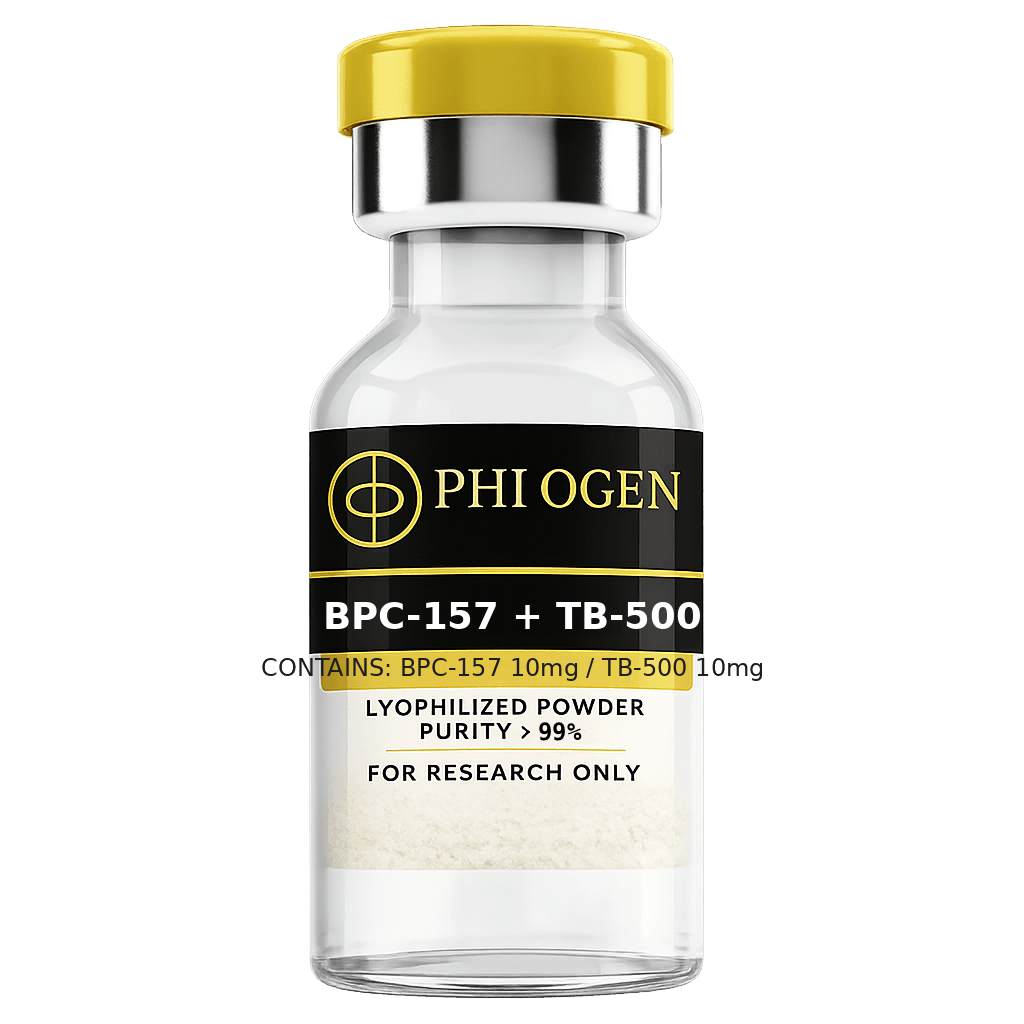
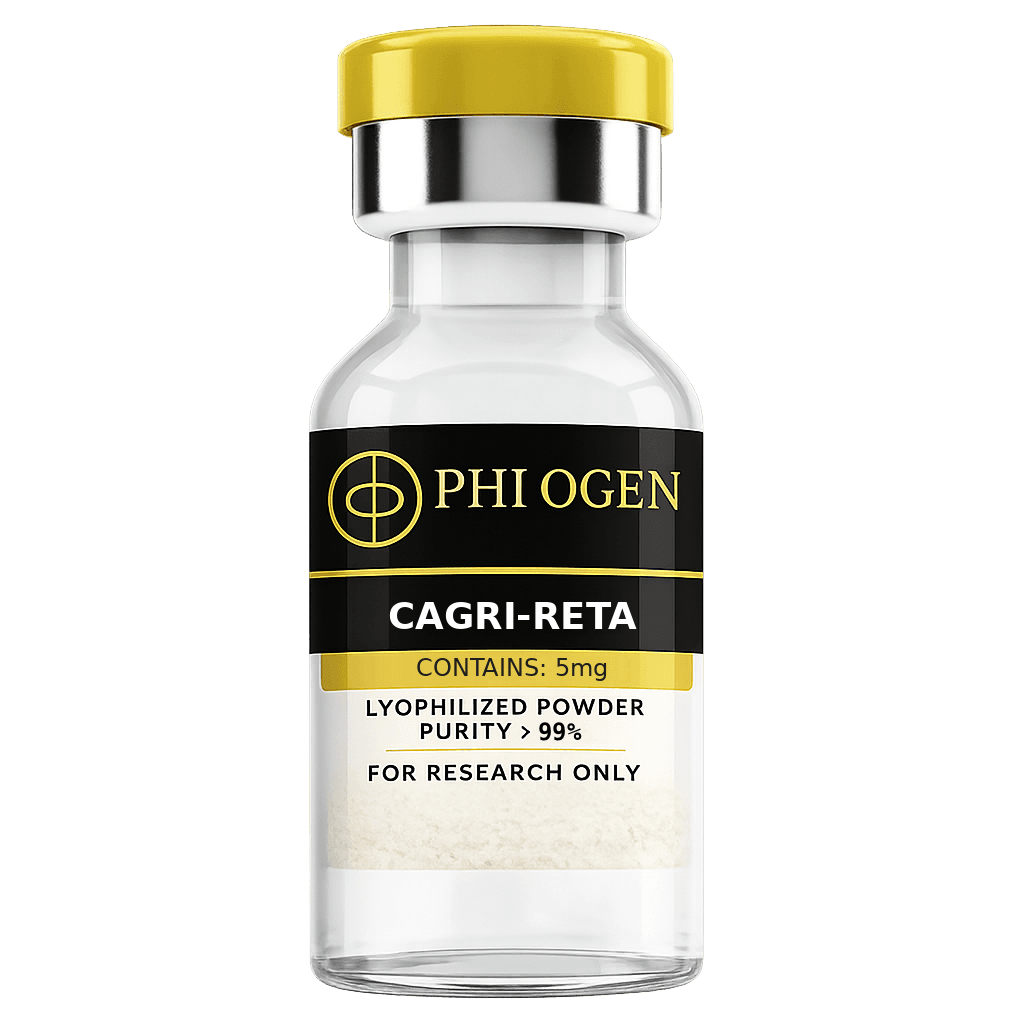
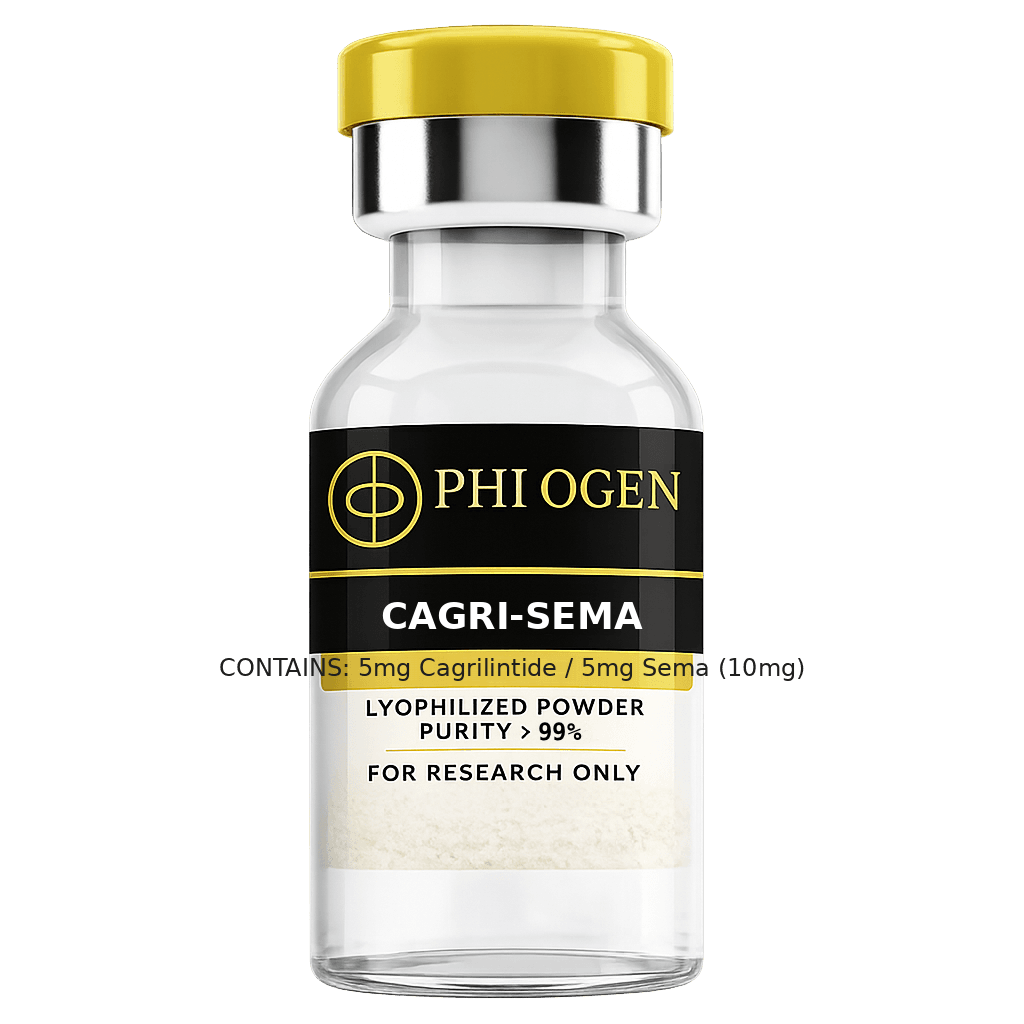
Tidemaxxing carries 9 blends peptide compounds priced from $53.99 to $161.99. The top products are BPC-157 + TB-500 Blend, Cagri-Reta and Cagri-Sema Blend. Every vial is sealed under nitrogen at ≥98% HPLC purity with its original lot CoA. Tracked US shipping in 3–5 business days; free shipping over $200.
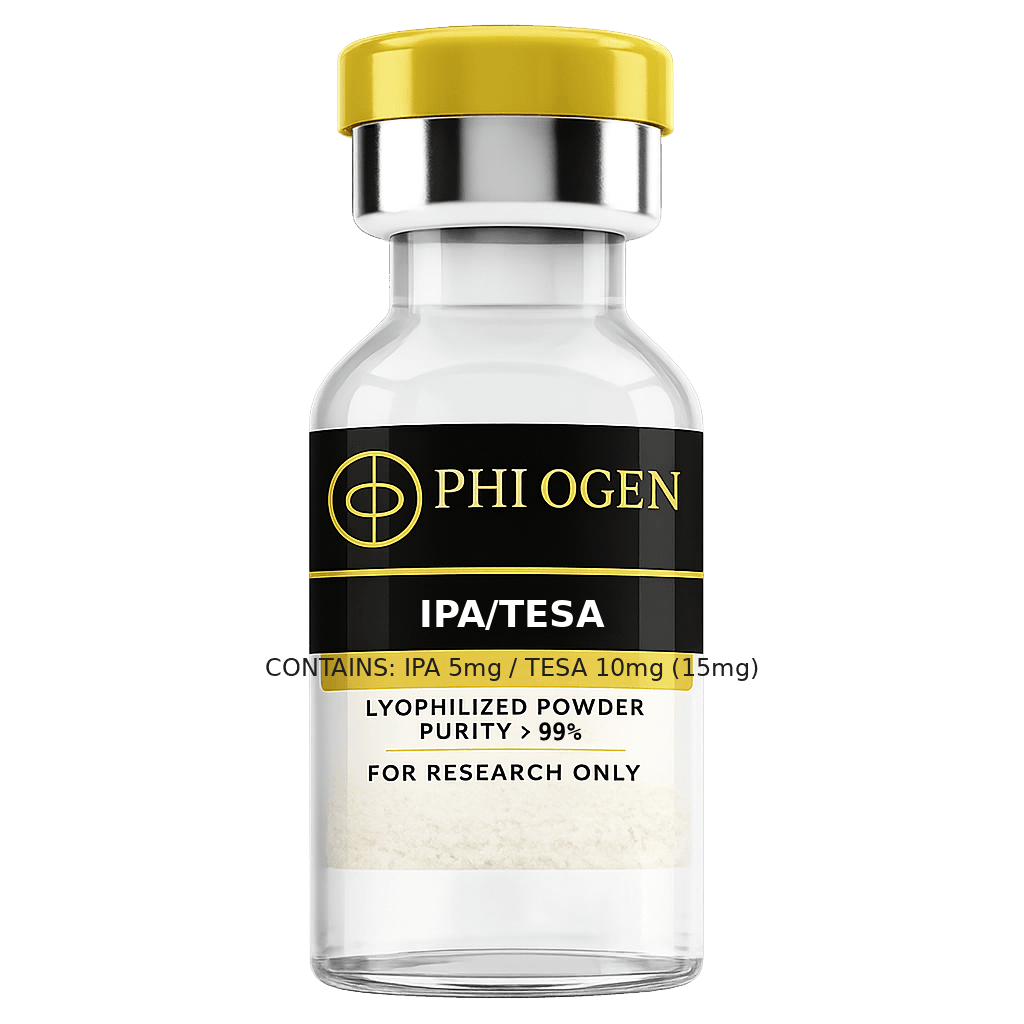
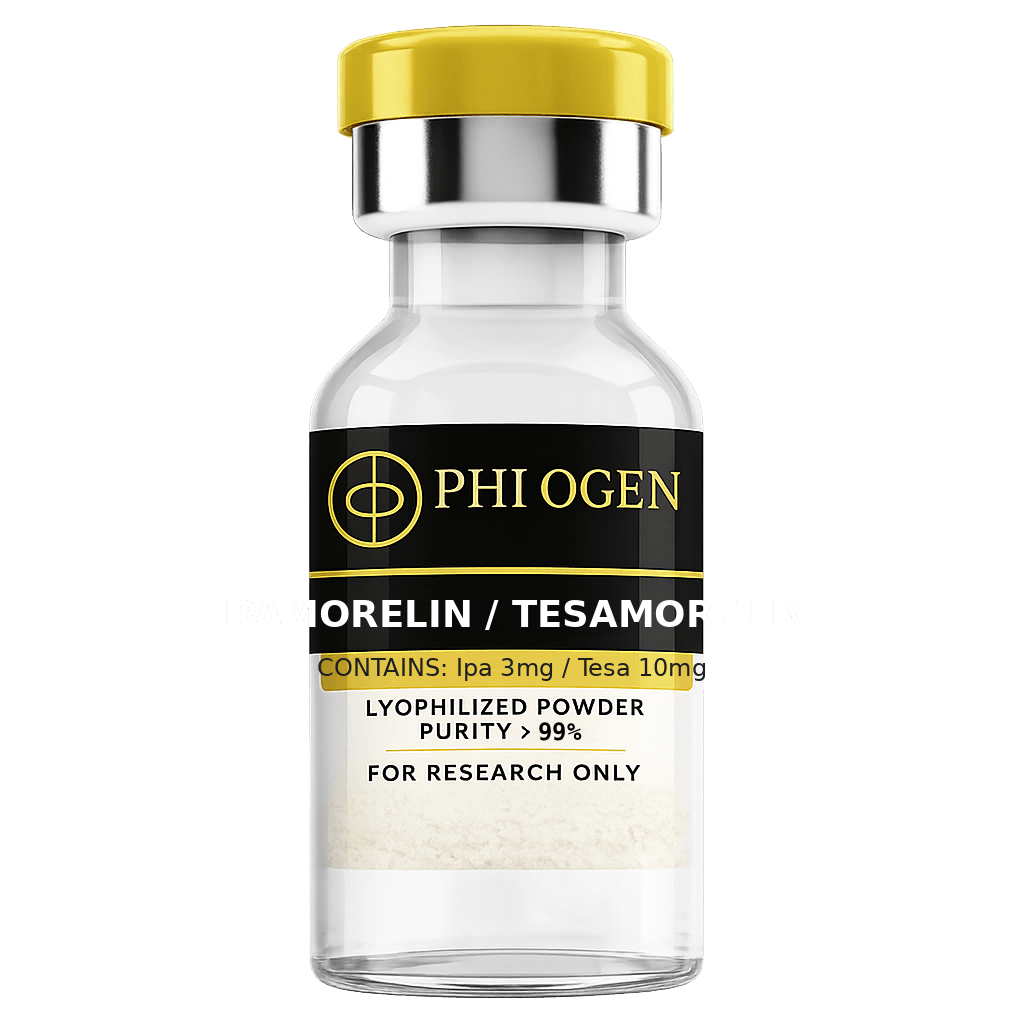
Multi-compound research is a distinct design choice: the blend lets the researcher study the sum of two pathways without introducing inter-vial dosing variance. This matters especially in repair-class protocols where BPC-157 and TB-500 are studied together, and in growth-axis work where CJC-1295 and ipamorelin are paired for a larger GH pulse.
Typical use-cases
- Comparative repair-pathway protocols
- Parallel-signalling research designs
- GH-pulse optimisation in growth-axis work
- Pathway-crossover studies
- Efficiency-focused multi-endpoint protocols
Blends catalogue
 2 sizes-10%
 2 sizes-10%
 -10%
-10% 2 sizes-10%
 -10%
-10%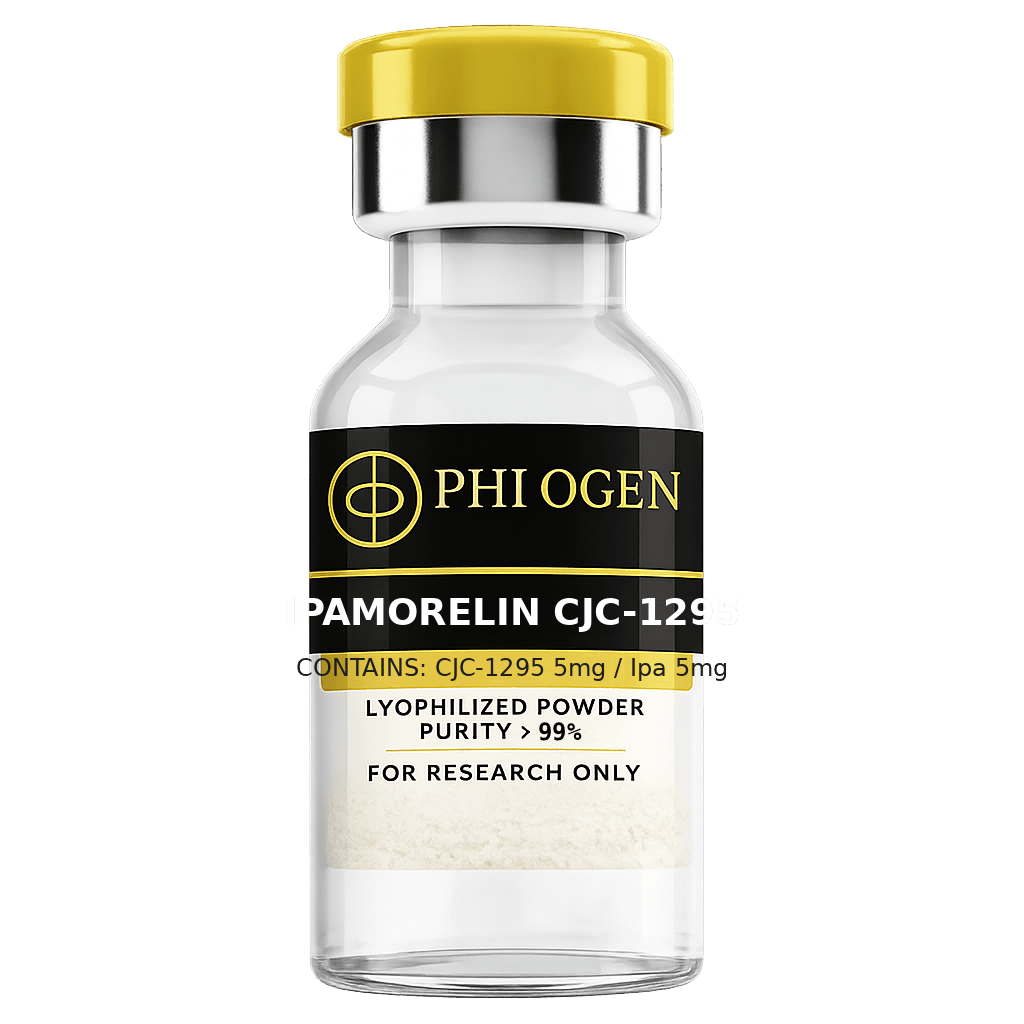 2 sizes-10%
 2 sizes-10%
 -10%
-10%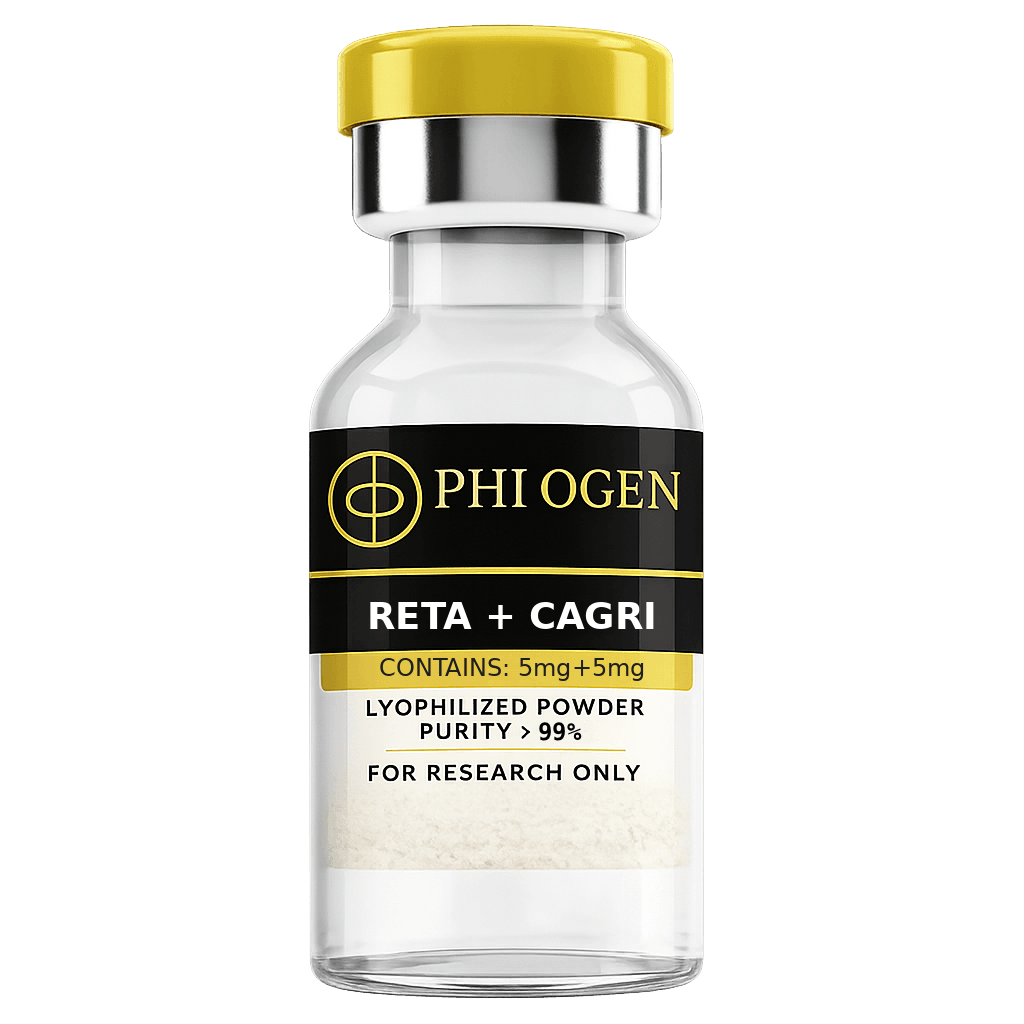 -10%
-10%How to compare compounds in this class
The ratio of constituents is the most important axis — the same two peptides at different ratios produce different signalling profiles in published blended-protocol studies.
Blends make sense when the two peptides hit complementary pathways (e.g. BPC-157 + TB-500). If the pathways overlap heavily, a single compound is often cleaner research-wise.
Blend vials typically carry more total peptide mass — reconstitution volume and working-concentration calculations need to match the sum, not a single compound.
Frequently asked
Why use a blend instead of reconstituting two separate vials?
Reducing variable count — one vial, one reconstitution, one dose. In comparative protocols where the blend is the arm being tested, a pre-mixed vial removes inter-vial dosing variance from the design.
What does the certificate of analysis cover on a blended vial?
Per-compound identity and purity, the blend ratio, and the lot number. Each constituent is typically HPLC/MS verified independently.
Are blend ratios adjustable?
No — blends ship at the documented ratio per lot. Protocols requiring a different ratio typically reconstitute separate vials rather than relying on a blend.